Worried about walking in late at night? This safety tool made me feel at home again
You know that moment—key in hand, glancing over your shoulder as you approach your front door? I used to dread those quiet evenings alone. But things changed when I started using a simple safety tool that quietly transformed my routine. It didn’t just alert me—it gave me back a sense of calm I didn’t realize I’d lost. This isn’t about fear. It’s about feeling safe, grounded, and truly at ease in your own life. For years, I told myself the little jumps and extra checks were normal, just part of being a woman living on her own. But they weren’t just occasional. They were constant—like a quiet hum beneath everything I did after dark. And then, one small device helped me turn that hum into silence.
The Nighttime Ritual That Used to Stress Me Out
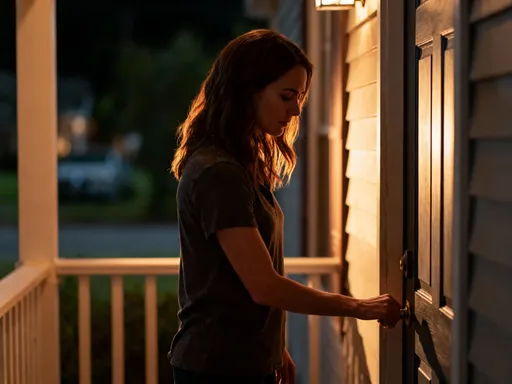
It started with something small—a creak on the stairs, a shadow in the hallway, or just the way the wind made the trees sway outside my window. I’d come home late from a friend’s house or after running errands, tired and ready to unwind, but my body stayed on high alert. Keys clutched tight in my hand, eyes scanning the path, ears tuned to every sound. I’d pause at the door, listening. Was that a car starting? A neighbor walking their dog? Or something else?
I remember one night, especially vivid in my memory, when I came back from a quiet dinner. The street was nearly empty. I could see my front porch light glowing faintly, but the path leading to it was dark. As I walked up, I heard footsteps behind me—slow, steady, matching my pace. My heart started racing. I didn’t turn around. I just walked faster, fumbling with my keys, hands shaking. When I finally got inside and locked the door, I leaned against it, breathing hard. Nothing had happened. But I felt shaken, drained, like I’d just run a race.
That wasn’t an isolated moment. It became part of my routine—this low-level tension that never quite went away. I’d check the locks twice. I’d leave a light on. I’d text a friend when I got home, just so someone knew I was safe. And while I knew statistically, I was probably fine, the feeling of vulnerability lingered. It wasn’t about paranoia. It was about the uncertainty. The idea that something *could* happen—even if it never did—was enough to wear me down over time.
And I know I’m not alone. So many women I’ve spoken to—friends, neighbors, even my sister—have shared the same quiet worries. Not because they’ve had scary experiences, but because they live in the world as it is. We’re told to be careful, to trust our instincts, to carry pepper spray or walk with confidence. And those things matter. But what I realized was that I didn’t just want to survive the walk home. I wanted to feel at home when I got there. I wanted to walk in, take off my shoes, and breathe—without that little knot of anxiety in my chest.
Discovering a Tool That Listened When I Needed It Most
The turning point came during a phone call with my friend Lisa. We were catching up, talking about our weeks, and I mentioned how drained I felt after coming home late. She didn’t offer the usual advice—no “just carry mace” or “get a dog.” Instead, she said, “Have you ever tried one of those smart sensors? The kind that watches your space and lets you know if something’s off?”
I’ll admit, I rolled my eyes a little at first. “Smart sensors”? That sounded like something out of a sci-fi movie, not my cozy little house. I pictured complicated wiring, blinking lights, and an app full of settings I’d never understand. But Lisa insisted. “It’s not complicated,” she said. “It’s like having a quiet friend who’s always paying attention. And it doesn’t judge you for being cautious.”
Curious, I looked into it. What I found wasn’t a surveillance system or a high-tech fortress. It was a small, discreet device—about the size of a coffee mug—that sat on a shelf near my front door. It used motion and sound detection, learning my daily rhythms over time. No cameras. No recording. Just awareness. If someone approached the door unexpectedly, or if there was movement in the house when I wasn’t supposed to be there, it sent a quiet alert to my phone. Not a blaring siren—just a gentle notification, like a text from a friend saying, “Hey, something’s happening.”
Setting it up was easier than I expected. I unboxed it, plugged it in, connected it to my Wi-Fi through a simple app, and placed it near the entryway. Within minutes, it was learning my movements. When I walked in, it recognized me. When the cat jumped on the counter at 2 a.m., it didn’t panic. It just waited, watched, and adjusted. And for the first time in a long time, I felt like my home wasn’t just a place I lived—it was a place that cared back.
From Alert to Comfort: How Safety Became Seamless
The first few nights, I checked my phone constantly. Every little buzz made me jump. Was it the sensor? Was someone at the door? But as days passed, something shifted. The alerts became rare—only triggered by real anomalies, like a delivery person dropping off a package after dark or the wind slamming the back gate. Most of the time, it was silent. And that silence started to feel like peace.
I began to notice changes in how I moved through my home. I no longer paused at the door, listening. I didn’t check the locks three times. I’d come in, kick off my shoes, and walk straight to the kitchen. The sensor was there, quietly doing its job, and I didn’t have to. It wasn’t taking over my responsibility—it was sharing it. And that small shift made a huge difference in how I felt emotionally.
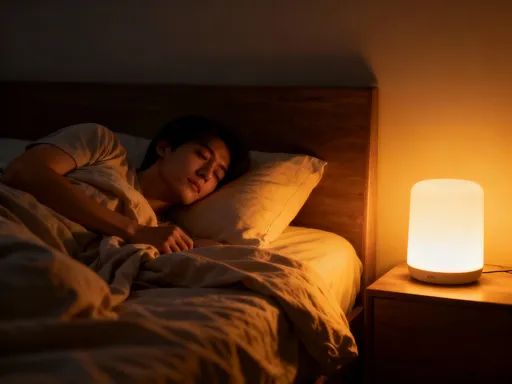
Sleep improved almost immediately. Before, I’d lie awake, replaying the evening, wondering if I’d left the garage door open or if that noise outside meant anything. Now, if something *was* off, I’d get a notification. If I didn’t, I could trust that all was well. That predictability—knowing I’d be alerted if needed—gave me permission to relax. I started waking up feeling more rested, more present, more like myself.
What surprised me most was how this little device changed my relationship with solitude. Living alone doesn’t mean you’re lonely, but it can mean you feel exposed. With the sensor in place, I didn’t feel exposed anymore. I felt protected. Not in a fearful way, but in a steady, grounding way—like wearing a warm coat on a cold night. It didn’t make me less independent. It made me more confident in my independence.
Small Tech, Big Emotional Shifts
Over time, the sensor became part of my daily rhythm—just another thing I did without thinking, like turning off the lights or setting the coffee maker. I didn’t talk about it much. It wasn’t flashy. But its presence made a quiet but powerful difference in how I experienced my home.
One evening, I got an alert while I was upstairs reading. The app showed movement near the front door. I checked the log—no one should have been there. I looked out the window and saw a delivery driver leaving a package on the porch. Nothing dangerous, but it was late, and I hadn’t ordered anything. I called the company, confirmed it was a misdelivery, and retrieved the box the next morning. Without the alert, I might not have known until days later—leaving my porch vulnerable, or worse, someone assuming it was theirs and entering my space.
That moment taught me something important: safety isn’t just about preventing danger. It’s about awareness. It’s about knowing what’s happening in your world, so you can respond with clarity, not panic. The sensor didn’t make me more fearful—it made me more informed. And that knowledge gave me power.
But beyond the practical benefits, there was an emotional ripple effect. I started trusting myself more. I felt more capable, more in control. That sense of agency—of being able to protect my space and my peace—spilled over into other areas of my life. I made bolder decisions at work. I set clearer boundaries with people. I even started saying “no” more often, without guilt. It was as if the confidence I gained at home gave me permission to show up more fully everywhere else.
Sharing Peace, Not Panic—Bringing Family Closer
One of the most unexpected benefits was how it helped my family feel closer to me—not by making them worry less, but by giving them a way to care without hovering.
I invited my sister to be a trusted contact. She didn’t get every alert—just the ones marked as higher priority, like motion when I was away or repeated attempts at the door. I made it clear: this wasn’t about surveillance. It was about shared peace of mind. “Think of it like a check-in,” I told her. “If you get a notification, you’ll know I’m okay. If you don’t hear anything, everything’s fine.”
Then came a stormy night last winter. Power flickered, trees bent in the wind, and I was home alone. My sister got an alert—motion detected, but no confirmation from me. She called immediately. “Are you okay?” she asked, voice tight with concern. I laughed. “I’m fine! The wind knocked a branch into the side gate. The sensor picked it up. But thank you for checking.”
After that, she told me she finally felt like she could breathe when I was home alone. Not because she thought something would happen, but because she knew she’d be informed if it did. And I didn’t feel watched. I felt loved. The technology didn’t replace our connection—it deepened it. It gave us a quiet way to say, “I care. You matter. I’ve got your back.”
Making It Work for Real Life—No Tech Expertise Needed
I’ll be honest—I’m not a tech person. I still need help setting up the printer. So when I say this was easy, I mean *really* easy. No tools, no wiring, no confusing manuals. Just plug it in, connect to Wi-Fi, and follow the app’s step-by-step guide. The interface was clean, with big icons and simple language. Even my mom could figure it out.
I placed the sensor on a bookshelf near the front door, facing the hallway. That gave it a clear view of anyone entering. The app walked me through testing it—walking in and out, checking how it responded. I set quiet hours too, so I wouldn’t get alerts every time the cat knocked something over at night. And I added my sister as a contact, choosing which alerts she’d receive.
What I appreciated most was that it worked in the background. No updates to install, no passwords to remember, no monthly fees. It just stayed there, learning, adjusting, protecting. And when I forgot about it—when I didn’t think about safety for days—that’s when I knew it was working. Technology should serve life, not interrupt it. This did exactly that.
If you’re thinking about trying something like this, here’s my advice: start small. Pick one entry point—your front door, your garage. Test the alerts during the day so you get used to how it feels. Involve a trusted person, but only if it feels right. And give it time. It’s not a magic fix. It’s a partner in peace.
Living Alone Doesn’t Mean Living on Edge
Looking back, I realize how much energy I used to spend on worry. The double-checking, the shoulder-glancing, the late-night tension. I thought it was just part of being careful. But it wasn’t care—it was anxiety. And anxiety, no matter how quietly it hums, takes a toll.
This little device didn’t eliminate caution. I still lock my doors. I still stay aware of my surroundings. But it replaced fear with awareness. It turned uncertainty into information. And most importantly, it gave me back something I didn’t even know I’d lost: the ability to feel truly at home.
Living alone isn’t about isolation. It’s about independence. And independence shouldn’t come with a side of fear. True safety isn’t about building walls or hiding away. It’s about feeling connected—to your space, to your people, to yourself. It’s about knowing you’re seen, even when you’re alone.
The best technology doesn’t shout. It doesn’t flash or beep or make you jump. It whispers. It says, “You’re okay.” It says, “I’m here.” And sometimes, that quiet reassurance is everything.
If you’ve ever held your keys like a weapon, or paused at the door, or texted a friend just to say you made it home—know this: you’re not overreacting. You’re human. And you deserve to feel safe, not just survive, but thrive. Self-care isn’t about fear. It’s about courage. The courage to protect your peace. The courage to say, “This is my home. And I belong here.”