Tested 7 Smart Wake-Up Systems for Morning Workouts: This One Actually Got Me Moving
Waking up for a morning workout used to feel impossible—hitting snooze, dreading the cold floor, losing motivation before my feet even touched the ground. Sound familiar? I felt stuck too, until I tried smart wake-up systems that don’t just ring—they gently pull you into the day. One changed everything. No more groggy struggles. Just quiet energy, ready movement, and a body that actually wanted to stretch. Let me show you how small tech shifts made my mornings effortless.
The Morning Struggle Is Real (And It’s Not Just You)
I used to set three alarms—two on my phone, one across the room—thinking distance would force me up. It didn’t. I’d crawl over, slap the button, and fall back into a half-sleep limbo, tangled in guilt and blankets. By the time I finally got up, the workout window had closed, and so had my motivation. I wasn’t lazy. I wanted to move. I wanted to feel strong and clear-headed. But something kept pulling me back under, like gravity had doubled overnight.
And I know I’m not alone. So many women I talk to—mothers, professionals, caregivers—say the same thing: “I want to exercise in the morning, but I just can’t get going.” It’s not about discipline. It’s not about time. It’s about how we wake up. That first moment when consciousness returns—it sets the tone for everything that follows. If it’s jarring, stressful, or disorienting, your brain and body go into survival mode. Who wants to do jumping jacks then?
I started to wonder: what if the problem wasn’t me? What if it was the alarm? What if, instead of being shocked awake, I could be invited into the day? That’s when I began looking into smart wake-up systems—not flashy gadgets, but thoughtful tools designed to work with your biology, not against it. I wanted mornings that didn’t feel like a battle. I wanted to wake up already moving toward my goals, not dragging myself there.
Why Traditional Alarms Sabotage Your Fitness Goals
Think about the last time your phone blared at 6 a.m. What was your first reaction? Probably not, “Oh, great! Time to crush my workout!” More like, “No… please, five more minutes.” That’s because traditional alarms don’t wake you up—they attack you. A sudden, loud noise triggers your body’s stress response. Your heart rate spikes. Cortisol, the “alertness hormone,” floods your system. You’re not just awake—you’re on high alert, like you’ve just narrowly avoided a car crash.
Now imagine trying to lace up your sneakers in that state. Your nervous system is still buzzing, your breath is shallow, and your mind is foggy. You’re not in a state to move with ease or joy. You’re in fight-or-flight mode. And exercise? That feels like one more demand on an already overwhelmed system. No wonder so many of us give up before we even begin.
There’s also the issue of sleep cycles. We don’t just fall asleep and wake up in one smooth arc. Our sleep moves through stages—light, deep, REM—and the moment you wake up within that cycle matters. An abrupt alarm can yank you out of deep sleep, leaving you groggy and disoriented for hours. That’s called sleep inertia, and it’s real. It’s why you can sleep eight hours and still feel like a zombie. The timing and method of your wake-up call aren’t just details—they’re central to how you feel and what you’re capable of in those critical first minutes.
So, is it any surprise that so many morning workout plans fail? The routine isn’t the problem. Your commitment isn’t the issue. It’s the wake-up. If you start the day feeling startled and stressed, you’re already behind. But what if you could wake up gently, peacefully, with your body already preparing for movement? That’s where smart wake-up systems come in.
How Smart Wake-Up Systems Work (Without the Tech Jargon)
Imagine this: instead of a blaring alarm, your room slowly begins to brighten, like sunrise creeping through the trees. The light starts soft and warm, barely noticeable at first, then gradually intensifies over 20 or 30 minutes. At the same time, a gentle sound—maybe birds chirping or a soft melody—fades in. By the time the full alarm would go off, you’re already stirring, your body naturally reducing melatonin, the sleep hormone. You open your eyes not because you were startled, but because your brain says, “It’s time.”
That’s the core idea behind smart wake-up systems: they mimic nature’s way of waking us up. In the wild, humans didn’t rely on beeping devices. We woke with the sun. Our circadian rhythms—the internal clock that regulates sleep and wakefulness—are deeply tied to light. When light enters your eyes, even through closed lids, it signals your brain to slow melatonin production and increase alertness. Smart wake-up lamps and alarms use this science, but in a way that fits modern life.
Many of these systems also include sound options that rise gradually, avoiding the shock of a sudden noise. Some even have motion sensors or backup alarms that only go off if you haven’t left the bed by a certain time. And the best part? They can integrate with things you already use—like your fitness tracker, smart speaker, or morning playlist. You don’t need a full smart home to benefit. Just one small device that helps you start the day with intention instead of panic.
I like to think of these systems as little allies. They’re not replacing willpower—they’re supporting it. They take the friction out of the hardest part of the routine so you can focus on the good stuff: movement, breath, strength, clarity. And for someone like me—who values peace, routine, and a sense of control—this kind of technology feels less like a gadget and more like a daily act of care.
My Week-Long Test: 7 Systems, One Clear Winner
I decided to test seven different smart wake-up systems, all widely available and priced within reach of most households. I didn’t want obscure, expensive models only tech lovers would know. I wanted real options—ones you might actually consider buying after reading a review or seeing them online. Each system got a full week of use. Same bedtime. Same routine. Same commitment to morning movement. I tracked how I felt, how fast I got up, and whether I actually followed through with my workout.
The first one I tried was a basic sunrise lamp with no sound. It was affordable and simple, but I found myself still hitting snooze. The light was helpful, but without any audio cue, I’d sometimes drift back to sleep, especially on weekends when my internal clock was looser. It was a good start, but not enough on its own.
The second was a smart alarm clock with sunrise simulation and a range of wake-up sounds—ocean waves, forest birds, even a gentle piano tune. I liked the variety, but the light wasn’t bright enough to make a real difference in my slightly larger bedroom. I still woke up groggy, and the sound, while pleasant, didn’t pull me out of sleep the way I’d hoped.
Number three was a high-end model with adjustable color temperatures and app control. It looked sleek and promised deep integration with sleep trackers. But the setup was complicated, and I spent more time adjusting settings than actually benefiting from the wake-up. For someone who values simplicity, it felt like overkill.
The fourth was a compact sunrise alarm that also functioned as a Bluetooth speaker. I synced it with my morning playlist—soft instrumental music that built slowly. This one was better. The combination of light and personalized sound helped. I remember one morning waking up just as my favorite cello piece began, and I smiled before I even opened my eyes. But the light still didn’t fill the room the way I wanted.
Five was a sunrise lamp with a vibrating pad that went under the mattress. The idea was that if light and sound didn’t wake you, the gentle vibration would. I’ll admit, it worked—but not in a peaceful way. The vibration felt intrusive, like a phone buzzing in your pocket while you’re trying to nap. It disrupted the calm I was trying to build.
Six was a smart speaker with built-in sunrise lighting. It was convenient because I already used it for music and weather updates. But the light was weak, more of a mood glow than a wake-up signal. And because it was part of a multi-function device, I associated it with chores—“Oh, time to check my calendar”—not movement or self-care.
Then came number seven. From the first night, it felt different. The light was bright, warm, and expanded across the wall like real dawn. The sound started as a faint birdsong, then layered in soft chimes, rising so gradually I didn’t notice the shift. And here’s the moment that changed everything: on day three, I opened my eyes before the alarm finished. Not because I was startled. Not because I was anxious. But because my body was ready. I sat up, stretched, and thought, “Oh. It’s time.” That had never happened before. This was the one.
The Game-Changer: How Light, Sound, and Timing Synced with My Body
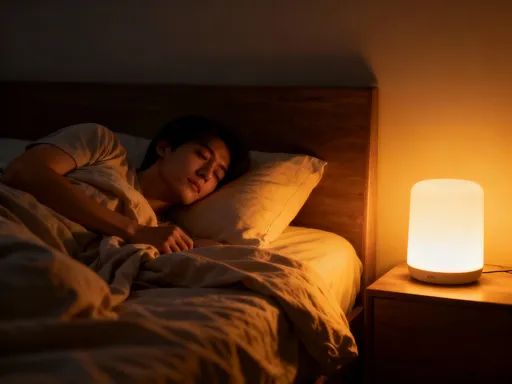
The winning system wasn’t the most expensive or the most feature-packed. But it was the most thoughtful. The sunrise simulation lasted 30 minutes, starting with a deep red glow that slowly shifted to warm orange and then soft white—mimicking the actual color progression of dawn. I placed it on my nightstand, angled toward the ceiling to diffuse the light evenly across the room. Within a few days, I could feel my body adjusting. I wasn’t fighting wakefulness—I was meeting it halfway.
The sound design was equally important. It didn’t play a single track. Instead, it used a dynamic audio sequence: first, very soft nature sounds, almost subliminal. Then, as the light brightened, gentle instrumental tones layered in—like a quiet orchestra tuning up. By the final five minutes, there was a subtle rise in tempo, not enough to startle, but enough to signal, “The day is beginning.” And only if I hadn’t moved by the end did a soft backup alarm sound—just once, then silence.
What made the biggest difference was how it aligned with my natural rhythms. I’ve been using a sleep tracker for years—nothing fancy, just something that gives me a general sense of my sleep stages. I noticed that on nights when I was in lighter sleep during the final phase of the sunrise simulation, I woke up more easily. The system wasn’t fighting my biology; it was working with it. It was like the technology had learned to listen to my body.
One morning stands out. It was cold, rainy, the kind of day that usually keeps me buried under blankets. But the light filled the room, warm and inviting. I heard the faint sound of distant birds, then a soft chime. I opened my eyes and thought, “I could just stay here… or I could get up and move.” And for the first time, the second option felt easier. I stood, walked to the window, and watched the rain while stretching. I didn’t dread the workout. I looked forward to it. That shift—from resistance to readiness—was everything.
Beyond Waking Up: Building a Smoother Fitness Routine
Once the wake-up got easier, everything else started to flow. I wasn’t starting the day in survival mode, so I had more mental space. I remembered to drink water first thing. I took time to stretch, not because I had to, but because my body wanted to. I felt calmer, more present. And when I finally laced up my shoes, the workout itself felt better—more fluid, more joyful.
I also noticed improvements in other areas. My decision-making was clearer. I wasn’t rushing through breakfast or snapping at my kids. I had this quiet sense of control, like I was leading my day instead of being dragged through it. One morning, my sister called and said, “You’ve been so consistent with your workouts lately. What changed?” I told her about the sunrise alarm, and she laughed. “So it’s not willpower? It’s light?” And I said, “Well, it’s light that helps my willpower show up.”
What I realized is that habits don’t exist in isolation. They’re connected. A better wake-up led to better hydration, which led to more energy, which made movement feel easier. That success built confidence, which made me more likely to stick with it the next day. It became a positive cycle—no willpower battles, just momentum. And because I wasn’t dreading the morning, I looked forward to it. I started planning my workouts the night before, not as a chore, but as a gift to my future self.
This wasn’t just about fitness. It was about reclaiming my mornings as a time of peace and purpose. For so many women, mornings are chaotic—rushing kids, packing lunches, checking emails. But what if your morning could start with stillness? With intention? With a moment just for you? That’s what this system gave me. Not just a way to wake up, but a way to begin.
Making It Work for You: Simple Setup, Real-Life Tips
You don’t need a perfect bedroom or a big budget to make this work. I’ve learned a few things from my testing that can help you get the most out of any smart wake-up system. First, placement matters. Put the lamp where the light can spread—angled toward the ceiling or a light wall works best. Avoid dark corners or surfaces that absorb light. You want the glow to feel like it’s coming from outside, not from a gadget on your nightstand.
Second, start with the basics. If you’re new to this, choose a system with sunrise simulation and one or two gentle sound options. Don’t overwhelm yourself with apps or complex settings. You can always upgrade later. The goal is consistency, not perfection.
Third, pair it with what you already do. If you use a fitness app, set it to open automatically in the morning. If you track your sleep, use that data to fine-tune your wake-up time—aim to end the sunrise cycle during a lighter sleep phase if possible. And if you love coffee, some systems can sync with smart coffee makers (though I just use a timer—simple and reliable).
Fourth, give it time. Your body is used to being shocked awake. It might take a few days—or even a week—to adjust to a gentler rhythm. Don’t quit if day two feels the same as day one. Trust the process. And be patient with yourself. This isn’t about instant transformation. It’s about small, sustainable shifts.
Finally, remember that this isn’t about replacing your strength or discipline. It’s about supporting it. You’re still the one choosing to move, to care for your body, to show up. The technology is just there to make the first step easier. And sometimes, that’s all we need.
Conclusion: Waking Up Shouldn’t Be the Hardest Part of Your Workout
Looking back, I realize how much energy I used to waste just getting out of bed. The mental struggle, the guilt, the internal negotiation—it all drained me before the day even began. Now, my mornings feel different. Lighter. Calmer. More mine. I still set goals. I still work hard. But I start from a place of ease, not exhaustion.
Technology doesn’t have to be cold or complicated to be powerful. Sometimes, the most transformative tools are the quiet ones—the ones that help without demanding attention, that support without taking over. This sunrise alarm didn’t just change my wake-up. It changed my relationship with my mornings, with my body, with my time.
If you’ve ever looked at your alarm clock with dread, if you’ve ever canceled a workout before it even started, I want you to know: it’s not you. It’s the method. And you don’t have to white-knuckle your way to better habits. You can invite them in—gently, peacefully, with light.
Your best morning might not be about willpower. It might just be about light.