From Overwhelmed to Effortless: How Q&A Platforms Cleared My Mental Clutter
Life used to feel like a never-ending to-do list—juggling work deadlines, family needs, and personal goals left me drained and distracted. I’d lie awake, mentally rearranging my schedule, trying to find time for everything. The kids needed help with school projects, my mom asked me to research a doctor’s appointment, and I kept promising myself I’d start that online course. But every night ended the same: exhausted, unproductive, and guilty. Then I discovered something unexpected: not another planner or app, but the wisdom hidden in everyday questions on knowledge-sharing platforms. These simple exchanges quietly reshaped how I plan, think, and live—bringing clarity where there was chaos.
The Chaos of Modern Life: When Time Slips Away
Remember those Sunday evenings when you’d sit down with a cup of tea, ready to plan the week, only to stare at a blank calendar, overwhelmed before you even began? That was me—every week. I wasn’t lazy. I wasn’t disorganized on purpose. I just had too many roles and not enough mental space to manage them all. My phone buzzed constantly: school alerts, grocery lists, work emails, birthday reminders. And in the middle of it all, I was trying to be a good mom, a reliable employee, a present daughter, and—somehow—myself.
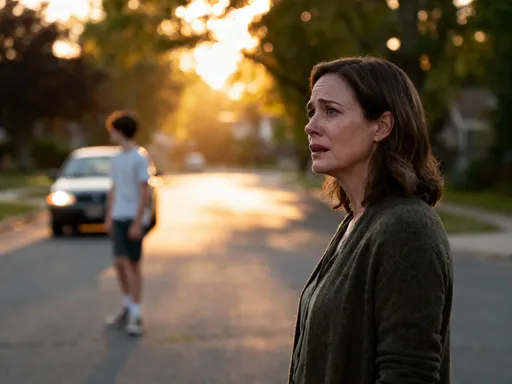
One morning, I forgot to pack my son’s science fair poster. He stood at the door, backpack half-zipped, eyes wide with disappointment. "You said you’d put it in last night," he whispered. My heart sank. It wasn’t the first time. I missed a friend’s birthday call. I let a self-care goal—just 10 minutes of stretching—slip for weeks. The guilt piled up, heavier than any undone task. I started wondering: Is this just how life is now? Always behind, always scrambling?
But then I realized something. It wasn’t the tasks themselves that overwhelmed me. It was the lack of a clear system—something flexible, forgiving, and real. I didn’t need more hours in the day. I needed better ways to use the ones I had. I didn’t need another color-coded spreadsheet. I needed someone who’d been there, who understood the messy reality of trying to do it all. And that’s when I found the answer in the most unexpected place: online communities where people just… ask questions.
Discovering the Hidden Power of Questions
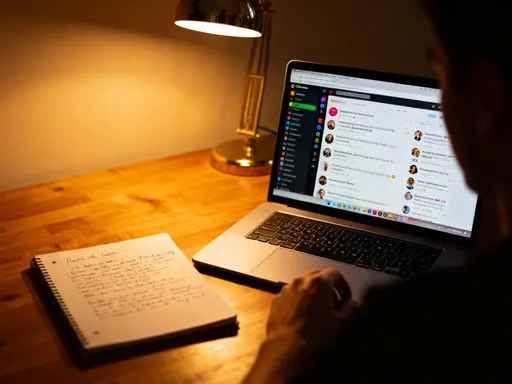
It started with a late-night Google search: "How do I stop feeling busy but unproductive?" I wasn’t looking for a miracle. I just wanted one small idea. What I found was a thread on a Q&A platform—hundreds of real people sharing their struggles and solutions. One woman wrote, "I used to plan my day like a CEO. Now I plan it like a gardener—tending to what needs attention most, not what’s loudest." That hit me like a whisper in a crowded room.
For the first time, I wasn’t reading a polished blog post or a rigid productivity method. I was reading stories—raw, honest, full of trial and error. Someone shared how they started using voice notes to capture ideas while folding laundry. Another talked about "anchor tasks"—one non-negotiable thing each day that made them feel accomplished, even if everything else fell apart. These weren’t life hacks. They were lifelines.
I began spending 15 minutes each night scrolling through threads about time management, parenting, work-life balance. I wasn’t just collecting tips. I was feeling less alone. The more I read, the more I realized: we’re all figuring this out as we go. And sometimes, the best advice doesn’t come from experts—it comes from someone who just figured out how to get dinner on the table while helping a kid with homework and still feeling like a human being.
What surprised me most was how personal it felt. It wasn’t like using a cold, automated app that told me to "complete task A by 9:00 a.m." It was like having a circle of wise friends—some older, some younger, all different, but all trying to live with more peace and purpose. And slowly, I started to believe that maybe I could too.
From Advice to Action: Turning Insights into Habits
One answer changed everything. It was from a woman who said, "Protect your first hour of the day. Don’t check email. Don’t open the news. Just do one thing that sets your tone." I’d heard similar advice before, but this time, it felt doable. So the next morning, I set my alarm 45 minutes earlier. No phone. No to-do list. I made tea, sat by the window, and wrote three things I was grateful for. Simple. Quiet. Mine.
That small shift created a ripple. Because I started the day calm, I responded to my kids with more patience. Because I wasn’t rushing into reactive mode, I could plan my work tasks with focus. And when the inevitable chaos hit—spilled cereal, last-minute meeting request—I didn’t spiral. I remembered: I’d already claimed my morning.
Encouraged, I tried another idea: time-blocking based on energy, not just time. Instead of scheduling my most important task for 3 p.m. (when I’m usually dragging), I moved it to 9 a.m., right after my quiet hour. I used a basic calendar app to color-code blocks: red for deep work, green for family time, blue for errands. At first, I failed. I overbooked. I ignored my energy levels. But then I went back to the platform and searched: "How do you stick to time blocks when life interrupts?" One response said, "Don’t aim for perfect. Aim for aware." That freed me.
I started treating my schedule like a living thing—something to adjust, not obey. If the kids needed help with homework, I’d shift my work block. If I felt tired, I’d swap a gym session for a walk. The key wasn’t rigidity. It was intention. And every time I made a small adjustment, I felt more in control, not less.
Planning with Purpose, Not Pressure
For years, I thought a good schedule was one that was full. If every hour was accounted for, I was being productive. But that kind of planning left no room for the unexpected—the phone call from a friend who needed to talk, the impromptu pancake breakfast with the kids, the quiet moment when I finally finished that book I’d been meaning to read.
Through the Q&A threads, I discovered a different approach: planning with presence, not pressure. One user wrote about "focus zones"—dedicated times when they were fully engaged in one role. For her, 6–7 p.m. was "family zone." No emails. No distractions. Just dinner, stories, and connection. I loved that. I created my own: 7–8 a.m. became "me zone," and 6–7:30 p.m. became "home zone."
I also learned about "buffer moments"—those five- to ten-minute gaps between tasks that used to stress me out. Instead of rushing from one thing to the next, I started using them to breathe, stretch, or just sip water. At first, it felt wasteful. But soon, I realized these moments were the glue that held my day together. They gave me space to transition, to reset, to remember who I was beyond the tasks.
The emotional shift was real. I stopped feeling guilty for not doing more. Instead, I felt proud of being present. When I was working, I was focused. When I was with my family, I was really there. And when I was resting, I allowed myself to truly rest—no side-eye from a guilt-tripping to-do list. Planning wasn’t about squeezing more in. It was about making room for what mattered.
Shared Wisdom, Personal Growth
After a few months of quietly reading and applying advice, I had an idea: What if I shared my own story? I typed a simple answer to a question: "How do you balance work and family without burning out?" I wrote honestly—about the forgotten science fair poster, the late-night searches, the morning routine that changed everything. I didn’t expect much. But the next day, I saw replies: "This helped me," "I’m trying this today," "Thank you for being real."
That moment did something unexpected. It made my own journey clearer. When you explain something to someone else, you understand it deeper. Writing that answer forced me to reflect on what had actually worked—and what hadn’t. It also reminded me that growth isn’t linear. Some days, I still forget things. Some weeks, the schedule falls apart. But now, I have tools. And more importantly, I have connection.
Answering questions became a practice in empathy and gratitude. I started noticing patterns in what people asked: How do I start? How do I keep going? How do I forgive myself when I slip up? These weren’t just productivity questions. They were human questions. And by sharing my experience, I wasn’t just helping others—I was reinforcing my own resilience.
One woman messaged me privately: "I tried your morning routine. For the first time in years, I didn’t feel rushed when my kids woke up." That note stayed with me. It wasn’t about being an expert. It was about being a witness to each other’s growth. And in that exchange, I found a new kind of confidence—one built not on perfection, but on shared learning.
Technology That Feels Human
We’ve all tried the apps. The ones that track every minute, send push notifications, and grade your productivity with little stars. And while some are helpful, many feel… cold. They don’t ask how you’re doing. They don’t care that your kid was sick or that you’re grieving a loss. They just demand more output.
That’s what makes Q&A platforms different. The technology is just the container. The real value is the human voice inside. When a single dad writes about using voice memos to plan meals during his commute, it’s not just a tip—it’s a story of love and survival. When a working mom shares how she uses a simple notebook to track her energy levels, it’s not just a method—it’s an act of self-care.
These platforms don’t replace professional advice. They don’t diagnose or prescribe. But they do something powerful: they normalize the struggle. They remind us that we’re not failing because life is hard. Life *is* hard. And the best solutions often come from people who’ve learned to bend without breaking.
I’ve learned to use these platforms wisely. I don’t scroll endlessly. I search with intention. I read critically. But when I find a voice that resonates, it feels like finding a compass in the fog. The technology connects us, but the humanity guides us.
A Lighter, Smarter Way to Live
Today, my life isn’t perfect. But it’s lighter. I still have deadlines. I still have messy days. But I move through them with more grace, more awareness, and far less guilt. The chaos hasn’t disappeared—but my relationship with it has changed. I don’t fight it. I flow with it.
The biggest shift? I plan not to do more, but to care more. I protect time for rest because I know it makes me a better mom. I say no to extra tasks because I value presence over productivity. I use technology not to track my worth, but to find wisdom that helps me live with more intention.
And it all started with a question. Not a grand one. Just a simple, honest, "How do I feel less overwhelmed?" That question led me to answers I never expected—answers rooted in real life, real people, real care. If you’re feeling stuck, scattered, or just plain tired, I invite you to try it. Don’t search for a magic fix. Search for a story that feels like yours. Ask a question. Share your experience. Let the collective wisdom of everyday people become your quiet guide.
Better planning isn’t about control. It’s about connection—with yourself, with others, with the life you’re building. And sometimes, the most human solutions come from the most unexpected places: a simple question, asked in good faith, answered with kindness. That’s not just technology. That’s transformation.