What If Your Weekend Plans Could Bring Friends Closer—Without the Chaos?
How many times have you tried to plan a simple weekend trip with friends, only to end up frustrated by conflicting schedules, endless group chat debates, and last-minute dropouts? We’ve all been there. What if the solution wasn’t more messages, but a smarter way to coordinate? Today’s route planning tools do more than guide cars—they quietly strengthen friendships by removing stress, aligning intentions, and turning planning into a shared joy instead of a chore. These aren’t just apps for drivers; they’re bridges for connection, helping us stay close in the middle of busy lives.
The Hidden Strain of Planning Together
Let’s be honest—planning a weekend getaway with friends can feel like herding cats. You start with excitement, maybe a text that says, “We should get away soon!” and suddenly you’re caught in a web of back-and-forth messages. Who can go? When? Where? And why does someone always forget to respond until it’s too late? What begins as a fun idea slowly turns into a mental load no one signed up for. You’re not just choosing a destination—you’re managing emotions, unspoken expectations, and the fear of disappointing someone.
I remember last summer when my closest friends and I tried to plan a lakeside cabin weekend. Three of us live within an hour of each other, but the fourth, Maria, was two states away. We spent two weeks going in circles—texting at odd hours, missing replies, and accidentally double-booking the same weekend with other plans. One night, I found myself staring at my phone at 10:30 p.m., trying to reconcile four different schedules, three preferred arrival times, and two people who wanted to leave early Sunday. I felt like a travel agent, not a friend. The worst part? The joy of the trip had already drained away before we even packed our bags.
This kind of emotional labor often goes unnoticed, but it’s real. It’s not just about time—it’s about energy. Every unanswered message chips away at enthusiasm. Every last-minute cancellation feels personal, even when it’s not. And when someone finally says, “Maybe we should just skip it this time,” it’s not laziness. It’s exhaustion. We love our friends, but the process of getting together can feel like work. And over time, that friction can quietly erode even the strongest bonds. We stop initiating plans because we’re afraid of the chaos. But what if the problem isn’t us—it’s the way we’re trying to solve it?
From Maps to Meaning: How Route Tools Became Relationship Helpers
Here’s the good news: the same technology that once felt cold and mechanical—like just another app on your phone—has quietly evolved into something deeply human. Route planning tools today are no longer just about getting from point A to point B. They’ve become spaces where friendships are nurtured, not strained. Think of them as digital campfires—places where everyone can gather, share ideas, and feel included, no matter where they are.
Modern apps now let you create shared itineraries that everyone can see and edit in real time. No more guessing who’s driving when or where we’re stopping for lunch. You can drop pins on a map, vote on routes, and even set preferences like “avoid tolls” or “need a coffee break by 10 a.m.” These features may sound small, but they carry emotional weight. When your friend adds a favorite hiking trail to the route and says, “This is my happy place—thought we’d love it,” it’s not just a suggestion. It’s an invitation to know them better.
And because everything updates live, there’s less room for miscommunication. No more “I thought you were picking me up at 8!” or “Why didn’t anyone tell me we were changing plans?” Everyone stays in the loop, not because someone has to send a group text, but because the tool does it for you. That might sound like a minor convenience, but it’s actually a major shift. It means less blame, less frustration, and more trust. You start to feel like you’re on the same team, not in competition for attention or control.
These tools don’t replace conversation—they deepen it. Instead of spending hours debating logistics, you can spend that energy laughing, reminiscing, or just being present. The app handles the details so you can focus on the connection. And when planning stops feeling like a chore, you’re more likely to do it again. That’s how small tech changes create big emotional wins.
A Day in the Life: Friends Using Tech to Stay Close
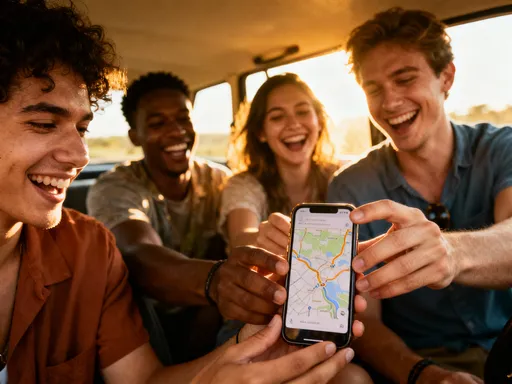
Let me tell you about a weekend last fall when my friend group finally got it right. Five of us—me, Maria, Jenna, Carla, and Tanya—decided to drive to a cozy mountain town for a weekend of hiking, hot drinks, and downtime. This time, instead of starting with a chaotic group chat, we opened a shared route planner before anyone even booked a hotel. From the first message—“I found a cabin with a fireplace!”—everything felt different.
Jenna, who’s always the early planner, created the main trip folder and added the cabin address. Then she invited the rest of us. Within minutes, we could all see the route, the estimated drive times, and the weather forecast. Carla, who’s nervous about long drives, suggested splitting the trip with a lunch stop at a little farm-to-table spot she’d heard about. She dropped the pin right on the map, and we all voted. It was added automatically. No back-and-forth. No “Did we agree on that?” Just a simple, shared decision.
On Friday morning, Maria sent a quick update: “Train delayed—leaving an hour later.” Instead of panic, we just opened the app and adjusted the ETA. The others got a notification, and we shifted the check-in time together. No one felt left out. No one had to play messenger. That afternoon, as we drove up the winding roads, Tanya spotted a lavender farm off the main route. “Want to stop?” she texted in the app chat. We all clicked “Yes,” and the detour was added. An hour later, we were taking silly photos in purple fields, sipping iced tea, and laughing like teenagers.
That night, over wine by the fire, someone said, “This felt easy. Like, weirdly easy.” And it was. Not because the trip was simple, but because the planning didn’t drain us. The tool didn’t plan the weekend for us—it gave us space to enjoy planning it together. And that made all the difference.
The Quiet Power of Shared Control
One of the most beautiful things about these tools is how they give everyone a voice—without anyone having to raise their voice. In the past, trip planning often fell to one person: the most organized, the most available, or the one who cared the most. That person would carry the mental load, make all the calls, and then feel unappreciated when others didn’t follow through. It wasn’t fair, and it wasn’t sustainable.
But when you use a shared route planner, control is distributed. Anyone can suggest a stop, adjust a time, or add a note. Carla didn’t have to ask permission to add her favorite pie shop—she just did. Tanya didn’t need to apologize for wanting to leave early Sunday—she marked it on her schedule, and the app showed how it affected the group. These small acts of agency add up. They send a quiet message: “Your preferences matter. You belong here.”
And that builds trust. When people feel heard, they show up differently. They’re more likely to commit, more willing to compromise, and more present when they arrive. I’ve noticed that in our group, the person who used to cancel last minute—no malice, just overwhelm—now rarely does. Why? Because she’s part of the process from the start. She can see the plan, adjust it to fit her life, and feel like an equal contributor, not just a passenger.
This isn’t about giving up leadership—it’s about redefining it. The leader isn’t the one doing all the work; it’s the one who creates space for others to contribute. And when everyone has a little control, no one feels powerless. That’s how you turn a group of friends into a team. And teams stick together.
Beyond the Road Trip: Everyday Friendships, Smarter Coordination
Here’s something I didn’t expect: we now use these tools for more than just vacations. We use them for ordinary moments—the kind that keep friendships alive between big trips. Last month, Maria was driving through my city and wanted to meet for coffee. Instead of playing phone tag, she shared a route with a midpoint café. I checked the ETA, confirmed I could meet her, and even added a note: “Bring the photos from the wedding!” It took two minutes, and we had a perfect hour together.
Another time, Carla and I realized we were both going to the same farmers’ market on Saturday. We synced our routes, agreed on a meeting spot, and even split the driving—she took the north route, I took the south, and we met in the middle. It felt like a mini-adventure. And when Jenna organized a surprise birthday breakfast for Tanya, we used the app to coordinate drop-off times, parking spots, and even who was bringing flowers. No leaks. No stress. Just joy.
These small, consistent uses add up. They turn “We should meet up sometime” into “Let’s meet up this week.” They reduce the mental load of keeping in touch, which is often the biggest barrier to connection. And they create a rhythm—a habit of staying close. Because friendship isn’t just about big moments. It’s about the little ones that say, “I’m thinking of you. I’m making space for you.” And when technology helps us do that effortlessly, it becomes more than useful—it becomes meaningful.
Choosing the Right Tool Without the Tech Stress
Now, I know what you might be thinking: “This sounds great, but I’m not tech-savvy. I don’t want to spend hours learning a new app.” And you don’t have to. The best tools for friendship planning aren’t the most complex—they’re the simplest. Look for one that’s easy to invite people to, lets everyone see the route at a glance, and updates in real time. It should feel intuitive, not like a homework assignment.
Start small. Try using it for one trip—a weekend, a day out, even a shared commute. Invite one or two friends first, not the whole group. Let them get comfortable with it. And don’t feel like you need every feature. You don’t have to use polls, notes, and weather forecasts all at once. Just begin with the route and the ETA. Once that feels natural, add one more thing.
Privacy matters, too. Choose a platform that lets you control who sees what. Some apps allow you to share only the trip details, not your exact location all the time. That way, you stay connected without feeling watched. And if someone in your group isn’t comfortable with tech, that’s okay. You can still be the one to manage the app, but make sure they can give input—by text, by voice note, or in person. The goal isn’t perfection; it’s inclusion.
Remember, this isn’t about becoming a digital expert. It’s about using a tool to protect something precious—your time with the people you love. If an app can save you even one stressful text thread or one missed connection, it’s worth it.
When Technology Deepens Human Connection
At the end of that mountain weekend, as we packed up the car and hugged goodbye, Maria said something that stayed with me: “I feel like we were really together this time—not just in the same place, but in the same moment.” And I realized she was right. The app didn’t create the connection, but it made space for it. It handled the noise so we could hear each other. It managed the details so we could focus on the laughter, the quiet talks by the fire, the shared silence as we watched the sunrise.
That’s the real gift of these tools. They don’t replace human effort—they enhance it. They don’t automate friendship; they protect it from the things that wear it down. In a world that’s constantly pulling us in different directions, they offer a quiet way to say, “I choose you. I’m making it easy to be together.”
And that changes everything. Because when planning stops being a source of stress, we start planning more. When coordination feels fair, we feel closer. And when technology fades into the background, what comes forward is what matters most—presence, care, and the simple joy of being with the people who know your laugh, your history, your heart.
So the next time you’re staring at a group chat, wondering how to make a weekend happen, don’t just send another message. Try starting a shared route instead. Let the tool hold the details. And give yourself and your friends the gift of showing up—fully, peacefully, and together. Because friendship isn’t about perfect plans. It’s about showing up, again and again, in ways that honor the bond. And sometimes, the simplest tech can help us do that better than we ever imagined.