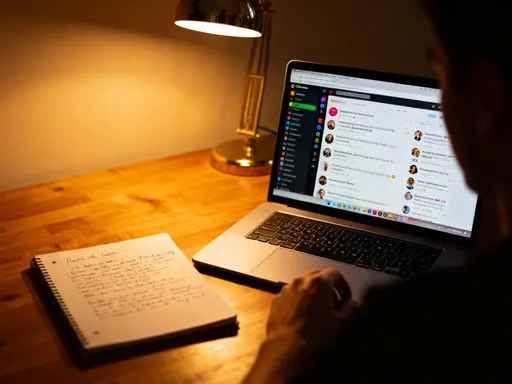
More than data: How tracking my evenings helped me finally feel in control
You know that restless feeling at the end of the day? I used to lie in bed, replaying everything I didn’t finish. Then I started paying attention—not to my to-do list, but to how I actually spent my evenings. It wasn’t about working more; it was about understanding my rhythm. With simple tools and honest reflection, I found calm I didn’t think was possible. This is how small shifts in how I use technology after work transformed not just my productivity—but my peace of mind.
The Evening Slump No One Talks About
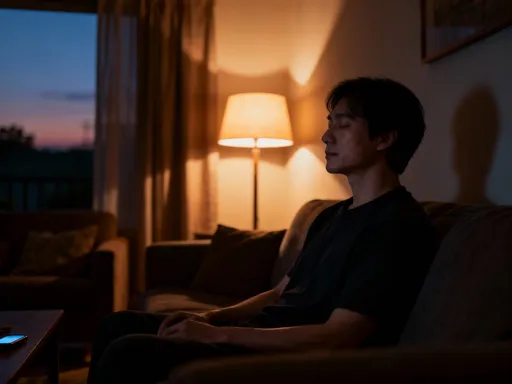
There’s a quiet kind of exhaustion that doesn’t come from working too much, but from never truly stopping. I didn’t realize it at first, but my evenings were a blur of motion without meaning. Dinner on the couch with the laptop open. A quick check of email that turned into 45 minutes of replies. Scrolling through social media while half-listening to my kids talk about their day. I was present in body, but my mind was scattered—pulling in ten directions at once.
And the worst part? I felt guilty for not doing more, even though I was never really resting. I wasn’t lazy—I was lost in a loop of low-grade busyness that left me drained by 9 p.m. It wasn’t until I paused and asked myself, What am I actually doing right now? that I saw the pattern. My brain was still in work mode, chasing loose ends, while my body craved stillness. The result? A constant hum of anxiety, like a device stuck on standby—never fully off, never fully on.
That’s when I realized the problem wasn’t my schedule. It was my awareness. I had no idea how I was spending my time because I wasn’t paying attention. I assumed I was relaxing, but in truth, I was just switching screens. I thought I was being responsible by answering emails, but I was really just avoiding the quiet. The evening slump wasn’t about energy—it was about intention. And without intention, even free time can feel like a chore.
Why Tracking Your Time Feels Nothing Like Spying on Yourself
When I first heard about time tracking, I imagined something cold and clinical—like being watched by an invisible boss. I pictured spreadsheets, red flags, and a nagging voice saying, You spent 27 minutes on YouTube? Really? But what I discovered was the opposite. Tracking my evenings didn’t make me feel judged. It made me feel seen.
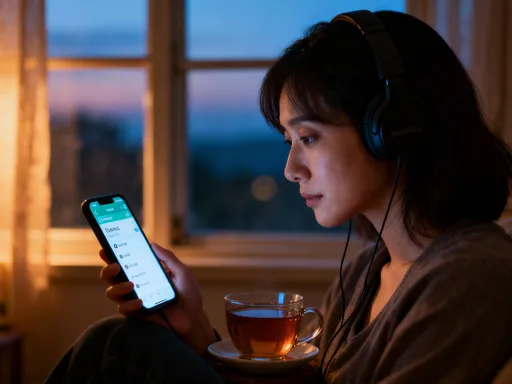
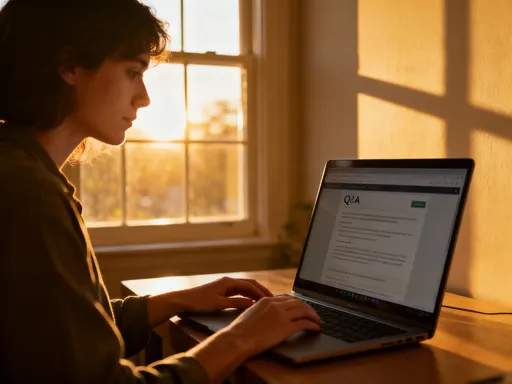
I started simple. I downloaded a basic time-tracking app—one with no flashy features, just a clean interface where I could log what I was doing in 30-minute blocks. No goals, no targets. Just observation. I didn’t track to fix anything. I tracked to understand.
And the patterns surprised me. I thought I was spending a lot of time with my family, but the data showed I was often half-distracted—phone in hand, mind elsewhere. I believed I was unwinding with a show, but I was really just zoning out after an hour of scattered scrolling. Most eye-opening? I was spending nearly 90 minutes each night on what I called “quick checks”—emails, news, messages—that added up to a second work session.
Here’s the thing: the numbers didn’t shame me. They freed me. Because once I could see the truth, I could make different choices. I didn’t need to scold myself. I just needed to know where my time was going. It was like turning on a light in a room I’d been stumbling through in the dark. And for the first time, I could actually see the furniture.
From Overwhelm to Intention: Building a Realistic Evening Framework
With the data in front of me, I stopped trying to force myself into someone else’s idea of a perfect evening. No more rigid hour-by-hour schedules that fell apart by Tuesday. Instead, I created something softer—what I now call my evening zones. These weren’t strict rules, but gentle themes that helped me move through the night with more purpose.
I started with four: wind-down, recharge, connect, and prepare. Each one covered a different need. Wind-down was for transitioning from work—maybe five minutes of stretching, a cup of tea, or just sitting quietly. Recharge was for real rest: reading, listening to music, or doing a puzzle. Connect was for being with my family without distractions. And prepare was for the small tasks that helped the next day go smoothly—laying out clothes, packing lunches, jotting down top priorities.
The magic wasn’t in the labels. It was in the awareness they brought. Before, I’d drift into the kitchen after dinner and end up standing in front of the fridge, phone in hand, unsure what I needed. Now, I pause and ask: Which zone do I need right now? If I’m overwhelmed, I choose wind-down. If I’m lonely, I choose connect. If I’m anxious about tomorrow, I choose prepare. It’s not about doing more. It’s about choosing with clarity.
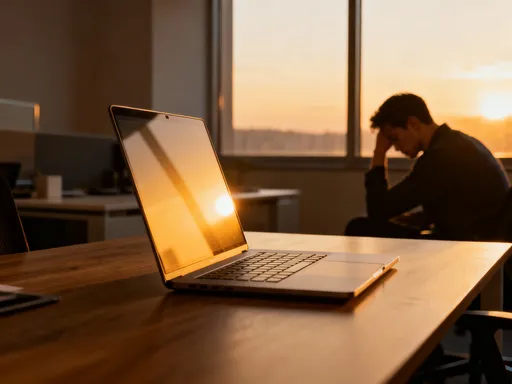
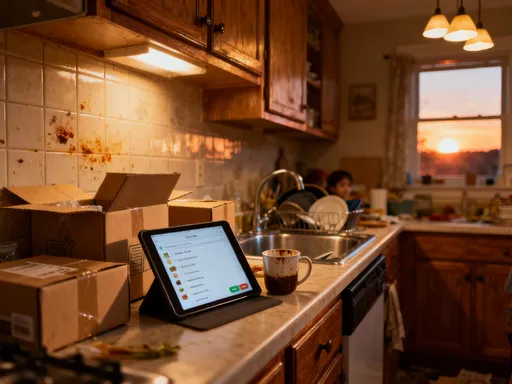
One of the biggest shifts? Moving all admin tasks—email, bills, scheduling—into a 20-minute “admin zone” right after dinner. Before, these tasks bled into every part of my evening. Now, they have a home. And when that timer ends, I close the laptop. No more “just one more reply.” The work can wait. My peace can’t.
Tech That Serves, Not Distracts: Choosing Tools That Fit Real Life
Not all technology is created equal—especially when your brain is tired and your willpower is low. I learned this the hard way after trying a few overly complex apps that demanded constant input or buzzed with notifications. One even sent me a cheerful alert at 8:47 p.m. that said, “You’re 12 minutes behind on relaxation!” That’s not helpful. That’s stress in a push notification.
What worked wasn’t the fanciest tool. It was the one that asked the least of me. I looked for apps with dark mode, simple interfaces, and minimal alerts. I wanted tech that felt calm, not urgent. I started using calendar blocking for my evening zones—just color-coding chunks of time so I could see my plan at a glance. No pressure. Just a visual reminder of what mattered.
I also discovered gentle reminder apps that didn’t startle me. Instead of a loud ping, I’d get a soft chime or a subtle glow on my phone screen that said, “Time to wind down,” or “You wanted to call your sister.” These weren’t demands. They were kind nudges from my past self to my present one.
And sometimes, the best tech was no tech at all. I began keeping a small notebook by the couch for quick notes—ideas, to-dos, things I didn’t want to forget. Writing them down got them out of my head without opening a screen. It felt slower, yes, but also more grounding. The goal wasn’t to eliminate technology. It was to use it in a way that supported my well-being, not hijacked it. I stopped seeing my devices as enemies. Now, I see them as tools—ones I get to choose how and when to use.
The Ripple Effect: How Evening Clarity Improved My Whole Day
I didn’t expect the changes in my evenings to affect my days—but they did. In the best way. When I stopped letting work bleed into my night, I started taking my work hours more seriously. I’d catch myself thinking, I can’t leave this for later—later is for me now. That simple shift made me more focused, more efficient, and less likely to drag tasks into the evening.
But the deeper change was emotional. I began to feel like I had two full lives—one for work, one for me—instead of one stretched too thin. My sleep improved because my mind wasn’t racing at bedtime. I woke up clearer, calmer, more ready to face the day. And my relationships? They deepened. My daughter once said, “Mom, you’re not looking at your phone at dinner anymore.” That broke my heart a little—because I hadn’t realized how often I’d been missing her.
My partner noticed it too. One night, he said, “You seem… more here.” That meant more than any productivity win. Because this wasn’t just about getting things done. It was about being present. It was about showing up for the people I love—and for myself—with my full attention. And that kind of presence? That’s priceless.
The ripple kept spreading. I started saying no to things that didn’t align with my energy. I stopped overcommitting because I knew my evenings were sacred. I even began to enjoy weekends more, because I wasn’t carrying the weight of a chaotic week. Small changes in how I spent my evenings didn’t just give me more time. They gave me more life.
When Life Happens: Staying Flexible Without Losing Ground
Of course, not every evening goes as planned. Kids get fevers. Work emergencies pop up. Friends need to talk. And that’s okay. The goal was never perfection. It was resilience.
What helped me stay on track wasn’t a rigid system. It was a simple reset ritual. When my plan fell apart—say, I spent two hours helping my son with a last-minute project instead of doing my usual wind-down—I’d pause and ask myself one question: What do I need most right now?
Sometimes the answer was rest. I’d set a 10-minute timer and just breathe. Sometimes it was clarity. I’d jot down three things I wanted to tackle tomorrow. Sometimes it was connection. I’d send a quick voice note to a friend who’d been on my mind. These tiny moments of re-centering kept me from spiraling into guilt or frustration.
I also learned to let go of “all or nothing” thinking. If I missed my admin zone, I didn’t abandon the whole evening. I’d shift it later or let it go. If I scrolled too long, I didn’t beat myself up. I just noticed it—and tried to be more mindful next time. Progress isn’t linear. It’s a series of small returns. The key is to keep returning, gently, to what matters.
And here’s the truth: the most important part of the framework isn’t the zones or the tools. It’s the pause. That moment when you stop and ask, Am I living my values right now? That’s where change begins. Not in grand gestures, but in quiet awareness.
Peace Is a Practice: Why This Isn’t Just About Productivity
Looking back, this journey wasn’t about squeezing more into my days or optimizing every minute. It was about reclaiming my sense of self. For years, I thought productivity meant doing more. Now I know it means feeling more—more present, more calm, more like myself.
The apps and timers didn’t fix my life. But they gave me something priceless: clarity. And with clarity came kindness. I stopped seeing my distractions as failures. I saw them as signals—my brain asking for rest, connection, or space. I started treating myself with the same compassion I’d offer a friend who was overwhelmed.
There’s a quiet power in simply paying attention. When I began tracking my evenings, I wasn’t just collecting data. I was listening to myself. And what I heard was this: I deserve rest. I deserve presence. I deserve evenings that feel like mine.
If you’re reading this and thinking, I could never track my time—I’m too busy, I get it. But you don’t have to start big. Just try one night. Pick a single evening and notice how you spend it. Not to judge. Not to fix. Just to see. You might be surprised by what you discover.
Because the most powerful technology isn’t the app on your phone. It’s the moment you choose to breathe, to pause, to ask yourself, What do I need? That’s not productivity. That’s peace. And it’s available to you—every single night.