What If Your Lights Could Help Keep Your Parents Safe—Without Any Effort?
Imagine coming home to find your elderly parent had a fall in the dark hallway—again. It’s a fear many of us carry. But what if something as simple as lighting could quietly protect them? Smart lighting isn’t just about mood or style; it can be a gentle guardian, adapting to their needs, reducing risks, and giving you peace of mind—all without changing their routine or asking them to learn new tech. This isn’t about turning their home into a sci-fi lab. It’s about making everyday moments safer, calmer, and more connected—with the quiet help of light.
A Common Fear: The Hidden Dangers of Everyday Darkness
Let’s be honest—most of us didn’t grow up thinking we’d worry about hallway lighting as adults. But when you’re caring for an aging parent, even the smallest details start to matter. You notice how they pause at the doorway, how they reach for the wall, how they squint in dim corners. And then one night, you get that call—your mom tripped getting water, or your dad nearly fell going to the bathroom. No broken bones, thank goodness, but your heart still races. You wonder: could something as simple as better light have prevented this?
The truth is, poor lighting is a silent risk in many homes. As we age, our eyes change. It takes longer to adjust from bright to dark spaces. Contrast becomes harder to see. Shadows look deeper. A rug might blend into the floor. A step might disappear. According to health experts, falls are one of the leading causes of injury among older adults—and many happen at night, in familiar spaces like hallways, bathrooms, or staircases. The scariest part? These accidents often occur in places we assume are safe.
But here’s the good news: you don’t need a major renovation or expensive medical equipment to make a difference. You don’t even need your parent to change their habits. What if the solution wasn’t about asking them to do more—but about making their environment do more for them? That’s where smart lighting comes in. Not as a high-tech fix, but as a gentle, invisible helper that works quietly in the background. Think of it like a nightlight that knows when to turn on—and when to step back.
Beyond Brightness: How Smart Lighting Adapts to Real Life
When we hear “smart home,” we often picture complicated apps, voice commands, or screens full of settings. But smart lighting doesn’t have to be that way. In fact, the most powerful systems are the ones your parent won’t even notice. They don’t need to download anything. They don’t have to say, “Hey Google, turn on the light.” They just walk, and the light responds.
How? Through motion sensors and automated routines. Imagine a hallway light that gently brightens as soon as someone steps out of the bedroom. Not all at once—just enough to guide the way. Or a bathroom light that turns on at 30% brightness in the middle of the night, so it’s helpful without being jarring. These aren’t futuristic dreams. They’re real features in many smart lighting systems today, and they work silently, day after day.
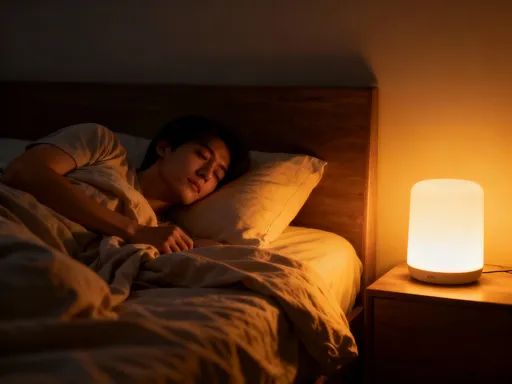
Some systems even adjust throughout the day. In the morning, lights can slowly brighten to mimic sunrise, helping regulate sleep cycles. In the evening, they shift to warmer tones, which research shows can support relaxation and better sleep. You’re not just adding light—you’re creating a rhythm that follows natural patterns. And the best part? Once it’s set up, it runs on its own. No daily decisions. No effort. Just a home that feels a little more in tune with your parent’s needs.
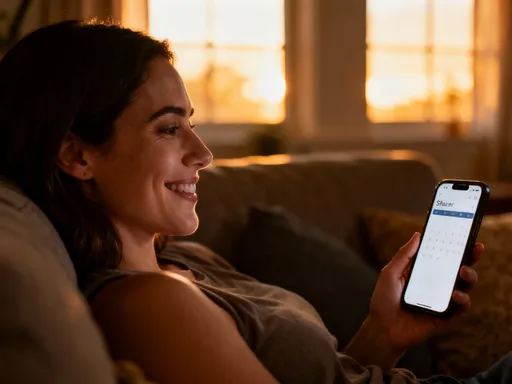
And let’s talk about ease. Many of these systems connect to Wi-Fi and can be managed through a simple app—but you don’t have to use the app every day. You set it once, and it remembers. You can even use voice assistants like Alexa or Google Assistant if your parent already uses them for music or weather. Saying, “Turn on the hallway light,” feels familiar. But better yet? They don’t have to say anything at all. The light just knows.
First Steps: Setting Up Without Overwhelming Anyone
If this sounds good but a little intimidating, you’re not alone. The idea of “smart home tech” can feel overwhelming, especially if your parent isn’t tech-savvy. But here’s the secret: you don’t have to do it all at once. Start small. Pick one area where safety matters most—like the path from the bedroom to the bathroom. That’s usually where nighttime trips happen.
Begin with just one smart bulb and a motion sensor. Screw in the bulb, plug in the sensor, and connect them through a simple app. Many brands walk you through this step-by-step, with clear instructions and even video guides. It’s not like setting up a router. It’s more like changing a lightbulb—with a little extra magic.
Then, create a routine. Call it “Night Walk” or “Midnight Path.” Set it so that when motion is detected between, say, 10 p.m. and 6 a.m., the light turns on at a soft level—maybe 30% brightness, in a warm color. That way, it’s helpful without waking them up too much. You can also set a timer so the light turns off after two minutes. No need to remember to switch it off. It takes care of itself.
And if your parent already uses a voice assistant, you can link the light to simple commands. “Alexa, turn on Night Walk” can become part of their routine. Or better yet, set it to activate automatically. The goal isn’t to add steps—it’s to remove them. You’re not asking them to learn anything new. You’re just making their home a little more thoughtful.
Some people worry their parent will resist. But in my experience, most don’t even notice the change—until they realize how much easier it is to move around at night. No more fumbling for switches. No more squinting in the dark. Just a soft glow when they need it. That’s the kind of tech that feels invisible—until you realize how much it helps.
Real Homes, Real Relief: Stories That Show the Difference
I remember talking to a woman named Sarah, a daughter in her early 40s who lives two hours from her dad. He’s 78, lives alone, and insists he’s fine. But after he tripped in the hallway last winter, she couldn’t stop worrying. She didn’t want to move him out of his home, and she didn’t want to hover. So she started small—just one smart bulb in the bathroom and a motion sensor in the hall.
She set it up during a weekend visit, didn’t make a big deal out of it. Told her dad it was just “a new energy-saving bulb.” But now, every night, when he gets up, the light turns on gently. And Sarah? She sleeps better. Not because she’s checking cameras or calling every hour—but because she knows the house is looking out for him. “It’s like I’m there, without being there,” she said. “It doesn’t fix everything, but it takes one worry off my mind.”
Then there’s Mark, who helped his mom set up a “Sunset Mode” in her living room. Every evening at 7 p.m., the lights slowly shift to a warmer tone and dim to a cozy level. It’s not just about safety—it’s about comfort. His mom has mild arthritis and finds it hard to relax at night. But now, the lighting helps signal that it’s time to wind down. “She says it feels like the room is giving her a hug,” Mark told me. “And I love that I can adjust it from my phone if I’m worried she’s up too late.”
These aren’t isolated cases. Across forums, caregiver groups, and family conversations, I keep hearing the same thing: smart lighting doesn’t replace care, but it supports it. It’s not about replacing human connection—it’s about making space for more of it. When you’re not constantly worried about falls or dark corners, you can focus on what really matters: talking, laughing, sharing meals. The tech handles the small stuff, so you can focus on the big things.
Safety Without Surveillance: Respecting Independence
One of the biggest concerns I hear from families is privacy. No one wants to feel like they’re watching their loved one like a security camera. That’s why I love smart lighting as a safety tool—it protects without prying. There are no cameras. No video feeds. No audio recording. Just light that responds to movement and time.
Think of it like childproofing, but for aging. When your kids were small, you covered outlets, installed gates, and moved sharp objects out of reach. You didn’t see it as controlling—you saw it as caring. The same principle applies here. Installing motion-sensing lights in key areas is just another way of making the environment safer, without taking away freedom.
Your parent still moves around as they please. They don’t have to check in. They don’t have to report where they are. But the home adapts to them, quietly and respectfully. And you? You gain peace of mind without crossing a line. You’re not tracking their every move—you’re just making sure the path is lit when they need it.
Some systems even let you see activity patterns—not in real time, but in general trends. For example, you might get a weekly summary that says, “Lights activated in hallway 3 times last night,” which could hint at restlessness or sleep issues. But it’s not about surveillance—it’s about awareness. It’s a gentle nudge that something might be off, so you can check in with care, not control.
This balance is important. Aging parents want to stay independent. They don’t want to feel like a burden. And adult children want to help without overstepping. Smart lighting sits right in that sweet spot—offering support that’s helpful, not intrusive. It says, “I care,” without saying, “I’m watching.”
Growing With Needs: From One Light to a Thoughtful Home
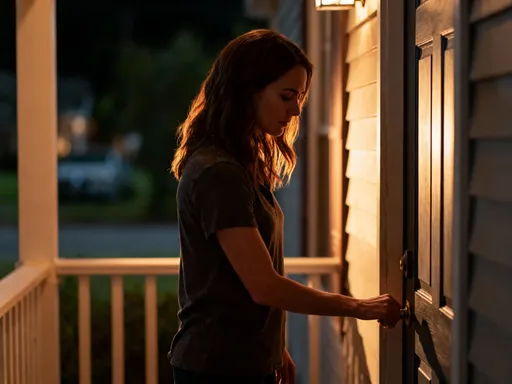
Once you’ve taken that first step, you’ll probably notice how easy it is to expand. Maybe next, you add a smart light to the kitchen—so the counter is well-lit when they get a midnight snack. Or install outdoor path lights that turn on automatically at dusk, making the front walk safer in winter.
And as needs change, the system can grow too. Some families link lighting to other smart devices. For example, a “Bedtime” routine might dim the lights, lock the doors, and lower the thermostat—all with one command or automatically at a set time. You can even set up alerts: if no lights turn on by 7 a.m., you get a gentle notification, just in case.
The beauty is, you don’t have to do it all at once. Start with one light. See how it feels. Let your parent get used to it. Then, when the time is right, add another. Each step builds on the last, creating a home that’s not just smart—but thoughtful.
And the best part? You can help from afar. If you live in another city, you can still set up routines, adjust brightness, or check if the system is working—all through a phone app. You’re not there in person, but your care is built into the home. It’s like leaving little reminders of your love in every room.
I’ve seen families use this tech to stay connected in sweet, subtle ways. One daughter programmed her mom’s living room light to gently pulse in rainbow colors on her birthday—just a little surprise. Another son set his dad’s porch light to turn red, white, and blue on the Fourth of July. It’s not just about safety. It’s about joy, too. Technology that doesn’t just protect, but celebrates.
More Than Light: Peace of Mind That Lasts
At the end of the day, smart lighting isn’t really about the tech. It’s about what it represents. It’s about saying, “I see you. I care. I want you to be safe, but I also want you to feel free.” It’s about reducing worry—not just for your parent, but for you. Because let’s be honest: caring for an aging parent is emotional. It’s full of love, but also fear, guilt, and exhaustion. Anything that lightens that load—even a little—is a gift.
And the most beautiful part? This kind of care doesn’t shout. It doesn’t demand attention. It works quietly, like love often does. A light turns on. A path is clear. A fall is avoided. A daughter sleeps better. A son feels closer. These are small moments, but they add up to something big.
So if you’ve been wondering how to help without hovering, how to protect without taking away independence, consider this: sometimes, the most powerful care comes in the softest glow. You don’t need to solve everything. You just need to light the way. And in that light, you’ll find not just safety, but connection, dignity, and peace—for them, and for you.