Tired of Missing Live Moments? Here’s How I Finally Stayed Connected Without the Stress
We’ve all been there—excited to catch a friend’s live concert stream, only to miss the start because the notification never came. Or trying to follow a cooking demo online and losing connection mid-recipe. I used to feel disconnected, frustrated, and left out—until I found simple, smart ways to make live streaming work *for* me, not against me. It’s not about fancy gadgets; it’s about using everyday tools more thoughtfully. Now, I show up on time, stay connected, and actually enjoy the experience—without the panic or tech tantrums. And the best part? You can too.
The Joy (and Frustration) of Real-Time Connection
There’s something magical about watching life unfold in real time. Remember the first time you saw your niece take her wobbly steps over a livestream? Or when your best friend shared her sunrise yoga session from a quiet beach in Portugal? These moments feel intimate, spontaneous, and deeply personal. They make us feel close, even when miles apart. That’s the power of live streaming—it turns distance into presence, and isolation into inclusion.
But let’s be honest: the reality doesn’t always match the dream. How many times have you refreshed a page, only to see, “You missed the first 15 minutes”? Or watched helplessly as the video froze during the big toast at a virtual wedding? These aren’t just tech hiccups—they’re emotional letdowns. We don’t just miss the content; we miss being *there*. And that stings. I remember waiting all week to watch my sister’s community choir performance, only to realize the stream had started 20 minutes earlier. By the time I got in, they were already halfway through the second song. I felt like I’d let her down. That moment made me ask: Why does something so meaningful feel so unreliable?
The truth is, live streaming has become a quiet pillar of modern connection—especially for us, the ones holding families together, cheering on our kids’ milestones, and staying close to aging parents. But the tools we rely on weren’t built with our lives in mind. They assume we’re always online, always alert, always ready. But real life doesn’t work that way. We’re cooking, driving, helping with homework, or finally catching up on sleep. So how do we make live moments fit *our* rhythm—not the other way around?
The Notification Nightmare: Why You Keep Missing the Start
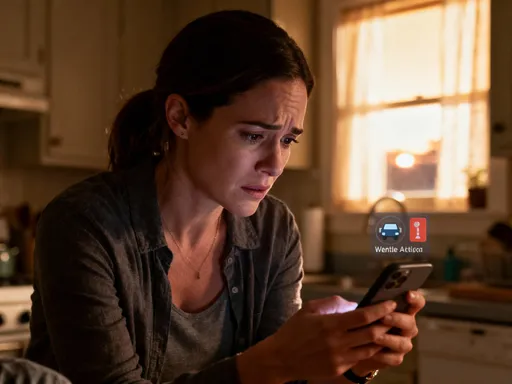
Let’s talk about the silent culprit: missed notifications. You follow your cousin’s art livestreams religiously. You even tapped “Notify Me” when she posted the event. But when the big night arrives? Radio silence. No pop-up, no sound, nothing. And by the time you check your feed, it’s over. Sound familiar? You’re not imagining it—and it’s not your fault.
Most social platforms use algorithms that decide what you see and when. And guess what? “Notify Me” doesn’t mean “alert you every time.” It means “maybe alert you, if we think you’ll care.” That’s why you might get a notification for a viral dance video but miss your daughter’s school play stream. The system doesn’t know your heart—it only knows engagement patterns. And since you’re not constantly liking or commenting on your cousin’s posts, the algorithm assumes you’re not interested. Ouch.
Then there’s notification fatigue. Our phones buzz all day—delivery updates, group chat pings, app reminders. After a while, we start ignoring them altogether. Or worse, we disable alerts to keep the peace, only to realize too late that we’ve silenced the ones that matter. I did this once with a friend’s charity walk livestream. I had turned off notifications for that platform because of all the spam, and I didn’t realize my settings had wiped out the alerts for *her* event too. I felt terrible.
So what’s the fix? Start by being intentional. First, go into your device settings and allow notifications from the apps you care about—especially Facebook, Instagram, YouTube, and any niche platforms your loved ones use. Then, within each app, don’t just tap “Notify Me.” Look for a “Pin” or “Favorite” option. On YouTube, you can “Subscribe” and turn on the bell with “All notifications.” On Facebook, you can “Follow” a page closely. These small steps tell the system, “This matters to me—don’t bury it.”
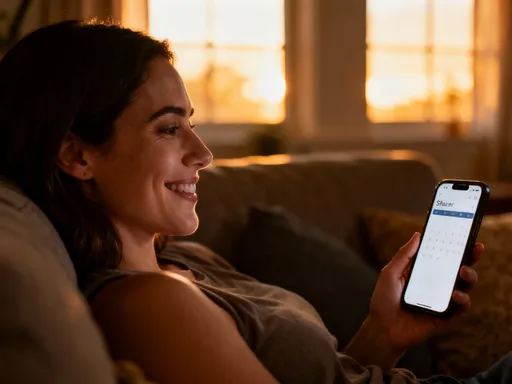
But don’t stop there. Use your calendar. When someone shares a live event, copy the time and add it to your personal calendar with a 10-minute reminder. I even set a second alert five minutes before the stream starts, just in case I’m distracted. You can also use voice assistants—say, “Hey Siri, remind me when my nephew’s piano recital starts”—and link it to the event time. These backups work when algorithms fail.
Buffering Blues: When Your Internet Lets You Down
There’s no worse feeling than seeing that spinning wheel right when the cake is being cut. You’ve made it to the stream—on time, excited—only to watch it stutter, freeze, or disconnect entirely. It’s not just annoying; it breaks the emotional thread. That moment you wanted to share? Lost. And it’s not always about having “bad internet.” Often, it’s about how we use what we already have.
Think of your Wi-Fi like water in a hose. If too many devices are using it at once—your teenager gaming, the smart TV streaming, the fridge downloading updates—the flow slows for everyone. That’s why your stream buffers, even if you have a strong plan. The solution isn’t always paying more for faster speed. It’s about managing demand.
Start with your router. Is it tucked behind the TV, buried under books, or hidden in a closet? These spots weaken the signal. Move it to a central, open area—like a shelf in the living room. Keep it away from microwaves and cordless phones, which can interfere with the signal. And if your home is large or has thick walls, consider a Wi-Fi extender. These small devices repeat the signal to dead zones. I added one near my bedroom, and suddenly, I could stream clearly from bed during late-night family check-ins.
Another trick: connect your main streaming device—like your tablet or laptop—directly to the router using an Ethernet cable. Even if you’re used to Wi-Fi, this wired connection is more stable. You’ll notice fewer interruptions and smoother playback. If that’s not practical, at least make sure your device is close to the router during important streams.
And don’t forget about your phone. If your home Wi-Fi is struggling, switch to cellular data. Modern 4G and 5G networks are strong enough for most live streams. Just be mindful of data limits. I’ve started using my phone as a backup—when the Wi-Fi acts up, I quickly switch apps and keep watching. One friend even downloads the streamer’s schedule and watches offline replays if she knows she’ll be busy. That way, she doesn’t miss a thing—she just enjoys it on her time.
Too Many Platforms, Too Much Confusion
Remember when we only had email and phone calls to stay in touch? Now, our loved ones stream on Instagram, YouTube, TikTok, Facebook Live, Twitch, and even private Zoom links. Keeping track feels like a part-time job. “Where is she streaming from today?” “Did I follow the right account?” “Is the link in the group chat or the email?” This platform overload isn’t just confusing—it’s exhausting.
I had a friend who streams her weekly garden tours. Sometimes it’s on Facebook, sometimes on YouTube, and once, she used a private link shared only in a text. I missed three in a row because I was checking the wrong place. She didn’t mind, but I felt bad. I wanted to support her, but the process was too messy.
The fix? Create your own “live event hub.” Start by choosing one place to track everything. I use Google Calendar. When someone shares a stream, I add it with the platform name and link. I color-code it—green for family, blue for friends, purple for personal interests. That way, I can glance at my week and see who’s going live and where.
You can also use bookmarks. Create a folder in your browser called “Live Streams” and save the profiles or pages of people you follow. Rename them with their names so you can find them fast—like “Aunt Linda’s Craft Corner” instead of “Linda’s DIY World Official.” Some platforms, like YouTube, let you subscribe and see all upcoming streams in one tab. Use that. It’s a small step that saves so much time.
Another idea: ask your close circle to share streams in one consistent place. For example, our family has a WhatsApp group where we post all upcoming events. No more guessing. And if someone uses a new platform, they explain it once, and we all learn together. Simplicity isn’t about using fewer apps—it’s about creating routines that work for *you*.
Watching Alone, Feeling Together: Enhancing Emotional Connection
Here’s the truth: we don’t just watch live streams for the content. We watch because of the person on the other side. It’s not about the song—it’s about *her* singing it. Not about the recipe—it’s about *him* cooking it, laughing when he spills flour on the counter. That human connection is what we’re really after.
But watching silently can feel lonely. You see their face, but they don’t know you’re there. And that can make the moment feel one-sided. So how do we turn passive viewing into shared presence?
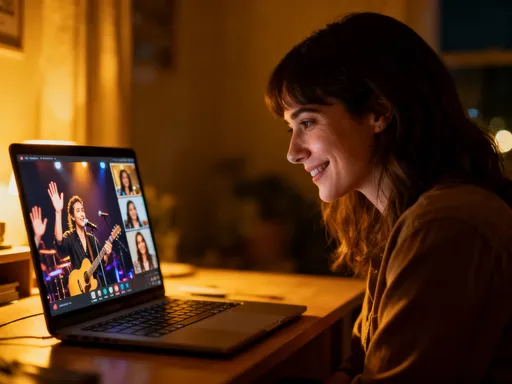
One powerful way is to watch together—even when apart. Use video calls to host a “watch party.” Invite your sister, your mom, or a close friend to join you on FaceTime or Zoom while the stream plays. You can react in real time, laugh together, and even send love to the streamer as a group. I did this when my niece performed in a school play. Five of us watched together over Zoom, and we all cried when she came on stage. It wasn’t just about the play—it was about sharing that pride.
If a call isn’t possible, use chat. Many platforms have live comment sections. Type a quick “We’re here cheering for you!” or “Love this song!” It takes two seconds, but it means the world to the person broadcasting. One friend told me she keeps a screenshot of all the kind comments from her first live concert—it still makes her smile.
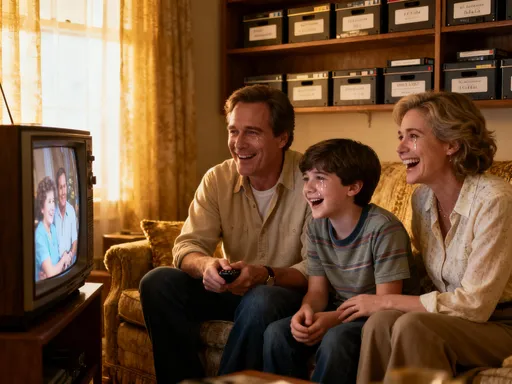
You can also enhance the moment at home. Light a candle, make a cup of tea, or invite your kids to watch with you. Turn it into a little ritual. I have a “family viewing corner” with cozy blankets and our favorite mugs. When my brother goes live from his farm, we all gather there. It’s not fancy, but it makes us feel close.
From Viewer to Participant: Small Actions, Big Meaning
Supporting a streamer doesn’t require money or talent. Often, the smallest actions have the deepest impact. Think about it: what would mean more to you—100 anonymous viewers or 10 people who show up every time, leave kind words, and share your link? Presence is a gift.
Start by simply showing up. Consistency matters. If your friend hosts weekly live workouts, try to join even if you’re just watching. They’ll notice. And when you comment, be personal. Instead of “Great job!” say, “That pose looked hard—so proud of you for trying it!” Specificity shows you’re really there.
Sharing is another quiet superpower. If your cousin is live-painting a mural, forward the link to three people who’d appreciate it. You don’t have to have a huge audience—just share with care. One woman I know sends her daughter’s dance streams to her old dance teacher. The teacher always replies with feedback, and it means everything to her daughter.
And don’t underestimate the power of a follow-up message. After the stream, text or call and say, “I saw your live garden tour—your roses are stunning!” That extra step tells them, “I didn’t just scroll by. I saw you.” These habits cost nothing but build trust, warmth, and connection over time.
Making It Routine: Building a Stress-Free Live-Watching Habit
Here’s the secret: live streaming doesn’t have to be stressful. It can be joyful, meaningful, and simple—if you build a system that fits your life. Think of it like meal planning or laundry day. A little structure goes a long way.
Start by choosing your tools. Pick one calendar, one bookmark folder, and one notification method you’ll trust. Set up your router for better signal. Test it during a low-stakes stream. Then, make it a habit. Every Sunday, review the week ahead. Add any live events. Check your Wi-Fi. Let your family know your “streaming window” so you’re not interrupted.
Also, give yourself grace. You won’t catch every stream. And that’s okay. The goal isn’t perfection—it’s presence. Even showing up late with a kind message is better than silence. I’ve learned to send a voice note after missing a live moment: “I couldn’t join in real time, but I watched the replay and smiled the whole way through.” It still connects.
Over time, this practice has changed how I relate to technology. It’s no longer a source of stress, but a bridge. I feel more in tune with my family, more supportive of my friends, and more engaged in my own life. I’m not just consuming content—I’m participating in stories.
So if you’ve ever felt left out, frustrated, or overwhelmed by live streaming, I want you to know: it’s not you. It’s the system. And you have the power to reshape it. With a few smart tweaks, you can turn missed moments into shared memories. You can be there—not just in pixels, but in heart. Because the people we love don’t need us to be perfect. They just need us to show up. And now, you can—on time, connected, and full of love.