What If Your Workday Could Help You Eat Better—Without Any Extra Effort?
Imagine logging into your work computer and, by lunchtime, already knowing exactly what to eat—no guesswork, no stress. What if the apps you use every day could quietly guide your nutrition, not with strict rules, but with gentle, smart support? This isn’t about dieting. It’s about making better choices feel effortless, even during your busiest hours. You’re not failing your goals—you’re just juggling too much. And what if technology, the very thing that keeps you glued to your desk, could actually help you take better care of yourself?
The Hidden Struggle: Why Workdays Sabotage Healthy Eating
We’ve all been there. It’s 3:15 p.m., your energy has flatlined, and you’re staring at a half-eaten bag of chips while scrolling through delivery apps. You meant to pack a salad. You even bought the ingredients. But the morning meeting ran late, the kids needed last-minute help with homework, and by the time you sat down, it was easier to click ‘order again’ on that greasy Thai curry. Sound familiar? This isn’t a failure of willpower. It’s a failure of design. The modern workday is built in a way that quietly undermines our best intentions when it comes to eating well.
Back-to-back Zoom calls, tight deadlines, and constant notifications leave little mental space for thoughtful decisions. By the time lunch rolls around, you’re not just hungry—you’re mentally exhausted. And when we’re tired, we make impulsive choices. We reach for convenience, speed, and comfort. That’s why so many of us fall into the same trap: skipping breakfast, grabbing whatever’s fastest at noon, and then snacking mindlessly in the afternoon just to keep going. It’s not that we don’t care about our health. It’s that we’re overwhelmed.
And let’s not forget the emotional side of it. Work stress builds up—maybe it’s a tense email, a missed deadline, or just the weight of constant multitasking. That stress often shows up in our eating habits. We eat when we’re not hungry. We crave sugar and salt. We eat at our desks without even tasting our food. Over time, these small moments add up to real consequences: low energy, trouble focusing, mood swings, and that nagging sense of guilt that follows a day of ‘bad’ eating. But what if it didn’t have to be this way?
Enter the Digital Mentor: A New Kind of Help at Your Desk
What if, instead of another demanding app that tracks every calorie and makes you feel guilty for eating bread, you had a quiet, supportive presence built into your workday? Imagine a digital mentor—not a robot shouting at you to ‘drink water!’ every hour, but a gentle, intelligent guide that understands your rhythm. It knows when your meetings end, when you tend to zone out, and when you’re most likely to reach for the candy jar. And instead of judging, it just… helps.
This kind of technology isn’t about control. It’s about care. Think of it like a wise friend who sits beside you during your workday, not to lecture, but to nudge. When your calendar shows a gap between meetings, it might say, ‘You’ve been focused for two hours—how about a mindful snack?’ Or when it notices you skipped breakfast, it sends a simple message: ‘No judgment, but you’ve got a big afternoon ahead. A balanced lunch will help you stay sharp.’ These aren’t commands. They’re kind reminders, timed perfectly to meet you where you are.
And the best part? It learns. The more you use it, the more it adapts to your habits, preferences, and schedule. If you usually take lunch at 12:30, it starts offering suggestions around 12:15. If you often order delivery, it integrates with your favorite food apps to highlight healthier options—like showing the grilled chicken bowl instead of the fried one, right in your usual order flow. It doesn’t force change. It makes better choices easier to see and simpler to make.
How It Works: Small Tech, Big Impact
You might be wondering—how does this actually work without turning your workday into a science experiment? The truth is, it’s simpler than you think. Think of it like a smart thermostat. You don’t have to program it every day. It learns when you like the temperature up or down, and adjusts on its own. This digital mentor works the same way—using smart, behind-the-scenes tech to support your well-being without adding to your to-do list.
It connects with tools you already use—your calendar, your email, maybe even your fitness tracker. When your schedule shows a packed morning, it might send a gentle alert: ‘Looks like a busy start. Maybe prep a smoothie or grab a yogurt before the rush?’ If your wearable detects higher stress levels in the afternoon, it could suggest a calming snack—like a handful of almonds or a piece of dark chocolate—instead of reaching for soda and cookies. The system doesn’t need you to log every bite. It just uses what it knows to offer timely, relevant support.
And because it’s designed for real life, it respects your choices. If you ignore a suggestion, it doesn’t nag. If you eat pizza for lunch, it doesn’t shame you. It just keeps showing up, ready to help when you’re ready to receive it. Over time, these small interactions build a pattern of awareness. You start noticing your habits. You begin to recognize what fuels you—and what drains you. And that awareness? That’s where real change begins.
Real Life, Real Results: A Day in the Life of Supported Eating
Let’s walk through a typical day with this kind of support—using the story of Sarah, a 42-year-old project manager, mom of two, and someone who used to rely on coffee and convenience food to get through her workdays. Her mornings were chaotic. Her afternoons were a blur. And by 6 p.m., she was exhausted, irritable, and usually eating whatever was easiest.
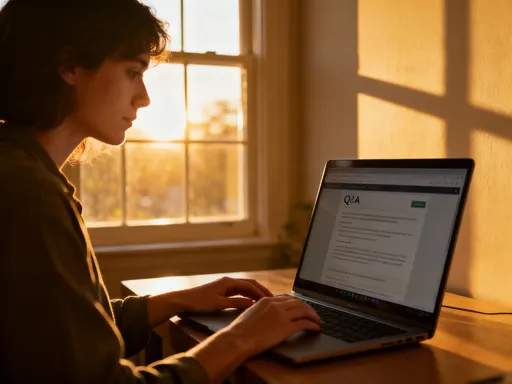
Now, her day starts differently. As she opens her laptop, a soft chime—just a gentle sound, not a jarring alarm—alerts her to a morning check-in. ‘Good morning, Sarah. How did you sleep? Don’t forget to drink a glass of water before your first meeting.’ She smiles. It’s not pushy. It’s just there. She pours a glass of water and takes a moment to stretch. Small, yes. But it sets a calmer tone.
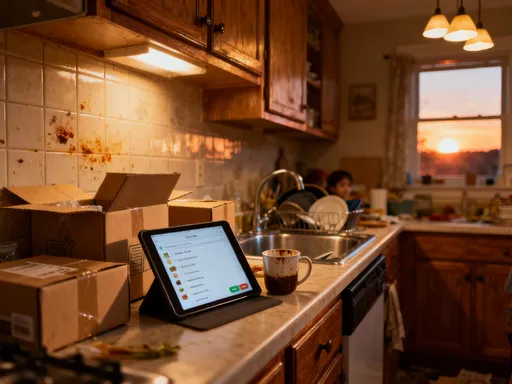
By 11:45 a.m., she gets another nudge: ‘Lunch in 15 minutes. You’ve got back-to-back calls after—maybe something with protein to keep you focused?’ She hadn’t even thought about lunch yet, but the reminder helps her pause. She opens her delivery app, and this time, the grilled salmon bowl is highlighted at the top. She clicks it without thinking twice. Later, her coworker says, ‘You’ve seemed so much more energized lately. What’s your secret?’ Sarah laughs. ‘Honestly? My computer keeps reminding me to eat like a human.’
In the afternoon, when she feels her focus slipping, another message appears: ‘Taking a two-minute breathing break could help reset your energy. Want to try?’ She does. And it works. That evening, as she logs off, she gets a final reflection prompt: ‘How did your eating feel today? No need to answer—just something to notice.’ She doesn’t reply, but the question lingers. She realizes she didn’t snack out of stress once. She feels proud. Not because she followed a strict plan, but because she felt supported—and she showed up for herself.
Beyond the Plate: How Better Eating Boosts Work and Mood
What’s really powerful about this kind of tech isn’t just that it helps you eat better. It’s that it helps you feel better—and that changes everything else. When your energy is steady, your mind is clearer. You’re not crashing at 3 p.m. You’re not snapping at your team over a minor email. You’re present. You’re patient. You’re thinking more clearly and making better decisions.
And that confidence starts to spill over. When you make one good choice—like eating a balanced lunch—you’re more likely to make another. Maybe you take a real break instead of eating at your desk. Maybe you say no to an extra meeting because you need time to recharge. These aren’t huge changes. But together, they build a sense of control. You start to feel like you’re not just surviving your day—you’re thriving in it.
There’s also an emotional shift. When you’re not constantly battling guilt about what you ate, you’re kinder to yourself. You sleep better. You have more patience with your family. You feel more like the person you want to be. And that’s not just about food. It’s about self-respect. It’s about showing up as your best self, not just at work, but at home, with your kids, with your partner, with your friends.
The digital mentor doesn’t fix everything. But it creates space for small wins. And small wins? They add up to real transformation. You’re not trying to be perfect. You’re trying to be consistent. And consistency, over time, builds resilience—both physical and emotional.
Making It Your Own: Simple Steps to Start
If this sounds good, you might be thinking—how do I actually start? The good news is, you don’t need to overhaul your life. You don’t need to download ten apps or track every calorie. Start small. Pick one tool—maybe one that already integrates with your calendar or email. Many popular productivity platforms now offer wellness features that you can turn on with just a few clicks.
Try setting up a single reminder—like a lunch prompt at 12:15 p.m. Make it kind, not demanding. Something like, ‘Time to refuel! What will help you feel good this afternoon?’ Then, pair it with a simple habit. Maybe it’s drinking a glass of water before you eat. Maybe it’s stepping away from your desk for five minutes. The goal isn’t perfection. It’s awareness. It’s creating tiny moments of pause in a day that otherwise rushes by.
If you’re worried about privacy, most of these tools let you control what data is shared. You can choose to connect only your calendar, not your fitness tracker. You can turn off notifications at any time. This is your support system—tailored to your comfort level. And if one tool doesn’t feel right, try another. The point is to find something that feels helpful, not stressful.
Think of it like adding a new habit—just like you might start walking after dinner or reading before bed. It takes time. But after a week, you might notice you’re making better food choices without even trying. And that’s the win. It’s not about effort. It’s about ease.
The Bigger Picture: Tech That Cares, Not Controls
In a world that constantly asks more of us—more productivity, more attention, more speed—it’s easy to feel like self-care is just another item on the list. But what if technology, often blamed for burning us out, could actually help us recharge? What if the same devices that keep us connected could also help us reconnect—with our bodies, with our needs, with ourselves?
That’s the promise of this quiet, intelligent support. It’s not about surveillance. It’s not about shame. It’s about kindness. It’s about designing our digital lives in a way that lifts us up instead of wearing us down. When your workday helps you eat better—without extra effort—you’re not just saving time. You’re reclaiming peace. You’re choosing to treat yourself with the same care you give to everyone else.
This isn’t about being perfect. It’s about progress. It’s about showing up, day after day, with a little more energy, a little more clarity, and a little more joy. And when technology makes that easier, it’s not just useful. It’s human. So the next time you log in, ask yourself: what if this day could be different? What if, just this once, your computer helped you take care of you?