More than smart showers: How my bathroom finally stopped stressing me out
Remember that Sunday morning when you just wanted a relaxing hot shower, but the water turned icy mid-rinse? Or when your partner left the floor soaked again? I’ve been there. For years, our bathroom felt like a daily obstacle course. But slowly, with a few thoughtful smart upgrades—none of them flashy or complicated—everything changed. It’s not about high-tech showpieces; it’s about solving real, annoying problems that wear you down. Now, mornings are calmer, clean-up takes seconds, and the space actually works for us, not against us.
The Hidden Stress of a "Normal" Bathroom
Let’s be honest—how many times have you stepped into the shower only to jump back because the water was too hot? Or wiped the mirror for the third time, still unable to see your reflection clearly? These little frustrations might seem small, but when they happen every single day, they add up. I used to dread Sunday mornings because my kids would leave the floor slick with water, and I’d spend the first hour of my weekend mopping and worrying about someone slipping. My husband would leave the bathroom fan off, and by Monday, I’d be scrubbing mildew off the grout. It wasn’t just about cleanliness. It was about how much mental energy I was spending just managing a room that should feel restful.
And I know I’m not alone. So many women I talk to—mothers, caregivers, partners—tell me the bathroom is one of their most stressful spaces. Not because it’s ugly, but because it’s unreliable. The faucet drips at 3 a.m., the lights are too harsh when you’re trying to remove your makeup, and the mirror fogs up before you’ve even finished brushing your teeth. These aren’t minor quirks—they’re daily stressors that quietly drain your energy. What if your bathroom didn’t just function, but actually helped you feel more grounded? What if it supported your routine instead of fighting against it?
That’s when I started asking: what if the problem isn’t me? What if it’s the tools I’m using? I wasn’t looking for a futuristic spa or some expensive renovation. I just wanted a space that worked—smoothly, quietly, without requiring constant attention. And that’s when I discovered that smart technology, when chosen wisely, isn’t about luxury. It’s about relief. It’s about taking back control of a space that’s supposed to be for care, not chaos.
Smart Showers That Actually Work—Without the Headaches
The shower was the first place I decided to make a change. That moment when the water goes from warm to freezing in the middle of washing your hair? I don’t miss it one bit. But when I first looked into smart showers, I was overwhelmed. So many buttons, apps, settings—some systems looked like they belonged in a spaceship. I didn’t want to become a tech operator just to take a bath. What I needed was simplicity: a shower that remembered what I liked, started when I wanted, and didn’t waste water.
So I found a system that lets me save my ideal temperature and water pressure with the touch of a button. No app needed—just a small control panel on the wall. I set it once, and now every morning, I step in and the water is exactly how I like it. No guessing, no adjusting, no jumping back. Even better? I can start the shower from my phone while I’m still making coffee. By the time I walk in, the bathroom is warm, the water is ready, and I haven’t wasted a single drop waiting for it to heat up.
And here’s something I didn’t expect—my kids actually use it properly now. Because the settings are simple and the buttons are big, they can choose their own mode (we call it “bath time” and “quick rinse”), and they don’t accidentally turn it too hot. That’s peace of mind you can’t put a price on. I also made sure the system has a water-saving feature, so even though we’re using it more comfortably, we’re using less water overall. It’s not just easier on us—it’s easier on the planet, too.
If you’re considering a smart shower, my advice is this: skip the ones that require an app for everything. Look for something intuitive, something you won’t need to explain every time a guest visits. And test it if you can. A smart shower should feel natural, not like a science experiment.
Fog-Free Mirrors and Lighting That Matches Your Mood
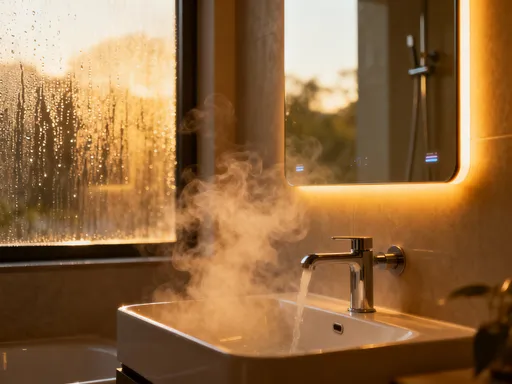
Let’s talk about mirrors. How many minutes of your life have you spent wiping steam off the glass, only for it to fog up again the second you turn away? I used to keep a towel hanging on the shower rod just for this. It was ridiculous. Then I discovered anti-fog mirrors—ones that gently heat the surface to prevent condensation. I was skeptical at first. Would it be safe? Would it use too much energy? But the one I installed uses less power than a nightlight, and it turns on automatically when the shower starts.
Now, I can see my reflection the second I step out. No wiping, no waiting. I can apply my skincare routine while my face is still damp, which makes a real difference in how well the products absorb. And because I can actually see what I’m doing, I’m more consistent with my routine. It’s one of those small wins that adds up over time—better skin, less stress, and no more squinting at a blurry mirror.
But the real game-changer was the lighting. I used to have those harsh overhead bulbs that made everything look flat and tired. Now, I have smart LED lights around the mirror that I can adjust with a simple tap or voice command. In the morning, I set them to a bright, cool tone that helps me feel alert and focused. At night, I switch to a warm, soft glow that’s calming—perfect for removing makeup or doing a quick skincare check before bed.
My daughter even uses it for her morning routine now. She loves picking her “makeup mode” light, and it’s made her more independent. I didn’t realize how much lighting affects mood until I changed it. Now, the bathroom doesn’t feel like a utility room. It feels like a space that supports me—whether I’m rushing to get the kids ready or taking a quiet moment for myself.
Floor Sensors and Leak Detectors That Give Real Peace of Mind
One of the scariest moments of my life as a homeowner happened last winter. I was out running errands when my phone buzzed with an alert: “Water detected near bathtub.” My heart dropped. I rushed home, expecting the worst—water everywhere, ceilings sagging, floors ruined. But when I got there, it was just a small drip from the faucet. Nothing major. But that drip had started overnight, and if I hadn’t been alerted, it could have turned into a flood by the time I got home.
The sensor I installed under the tub caught it within minutes. It’s a small, battery-powered device that sits quietly on the floor. When it detects moisture, it sends an alert to my phone and makes a soft beeping sound. No wiring, no complicated setup—just peace of mind. Since then, I’ve added more sensors: one near the toilet, one under the sink, and one in the laundry room. They’re not expensive, and they’ve already paid for themselves in avoided damage.
I also looked into smart flooring, though I haven’t installed it yet. Some systems can detect not just leaks but also changes in temperature or even if someone has fallen. That’s especially comforting as my parents get older. Imagine knowing instantly if your mom slipped in the bathroom while you’re at work. That’s not fear-mongering—that’s real care. For now, the sensors are enough. But the option is there, and it makes me feel more secure about the future.
If you’re thinking about leak detectors, start small. Put one under your tub or near your washing machine. Make sure it connects to your Wi-Fi or uses a simple hub so you can get alerts even when you’re not home. And test it—pour a little water to make sure it works. This isn’t about expecting disaster. It’s about being prepared so you can relax.
Smart Ventilation: Goodbye Mold, Hello Fresh Air
Mold. Just saying the word makes me want to grab a scrub brush. I used to fight it constantly—on the ceiling, behind the toilet, around the shower grout. No matter how much I cleaned, it always came back. Then I realized: the problem wasn’t my cleaning habits. It was the air. The bathroom fan was old, noisy, and nobody ever remembered to turn it on. By the time I thought of it, the steam had already settled into the walls.
So I upgraded to a smart ventilation system with a humidity sensor. Now, the moment the air gets too damp, the fan turns on automatically. No switches, no reminders. It runs just long enough to clear the moisture, then shuts off. I also set it to run for 15 minutes after I leave the house, just to make sure everything stays dry. The difference is night and day. No more musty smell, no more mildew. The walls look cleaner, the air feels fresher, and I’m not spending weekends scrubbing corners anymore.
What I love most is that it works silently. The old fan sounded like a jet engine, which is why no one used it. This one is quiet, efficient, and completely hands-off. It’s one less thing to think about—and one more way the bathroom takes care of itself. Plus, better air quality means fewer allergy flare-ups for my son, who’s sensitive to mold. That’s not just convenience. That’s health.
If your bathroom feels stuffy or you’re constantly battling mildew, look into a humidity-sensing exhaust fan. Many models are easy to install, especially if you’re replacing an existing fan. Just make sure it’s the right size for your space and that it vents to the outside, not just into the attic. Fresh air shouldn’t come at the cost of more work.
Avoiding the Most Common Setup Mistakes
I’ll be honest—I didn’t get everything right the first time. My first smart mirror didn’t connect properly because it was too far from the Wi-Fi router. I wasted a week trying to fix it before realizing the signal was too weak in the bathroom. Another time, I installed a leak sensor too high off the floor, so it didn’t detect a slow drip until water had already spread. These weren’t expensive mistakes, but they were frustrating. And they made me question whether all this tech was worth it.
So I learned a few rules that made all the difference. First: test placement before you commit. Use a temporary power source or a mobile hotspot to see if your devices connect reliably. Second: don’t overload your system. I tried using five different apps for five different devices, and it was a mess. Now, I use a central smart home hub that connects everything—lights, sensors, shower—so I can control it all from one place. It’s simpler, more reliable, and much less stressful.
Third: keep it user-friendly. If your kids or your partner can’t figure it out, it’s not going to get used. I chose voice-compatible devices so we can control things with simple commands like “Hey, turn on the bathroom light” or “Start the shower.” No buttons, no apps, just natural language. And finally, don’t ignore battery life. Nothing kills the magic of smart tech like a dead sensor. I set calendar reminders to check batteries every three months, and I keep spares in the linen closet.
These aren’t technical fixes—they’re practical ones. And they’ve made the difference between a bathroom that feels high-maintenance and one that feels effortless. The goal isn’t to have the most advanced setup. It’s to have one that works quietly, reliably, and without drama.
How a Smarter Bathroom Changed Our Mornings—and Our Moods
Here’s what I didn’t expect: the bathroom didn’t just get easier. It got calmer. Mornings used to be a race—kids yelling, water running, someone always late. Now, there’s a rhythm. The shower is ready when I am. The mirror is clear. The floor is dry. There’s no arguing about who left the light on or who forgot to close the curtain. The space just… works.
And because it works, I feel more in control. I’m not starting the day stressed or rushed. I have a few quiet minutes to myself, even if it’s just while the water heats up. I can do my skincare without rushing. I can breathe. That small shift has had a ripple effect on the rest of my life. I’m more patient with the kids. I’m more focused at work. I feel more like myself.
Technology didn’t take over our home. It stepped back. It handled the little things so I could focus on the big ones. The bathroom didn’t become a gadget showpiece. It became a sanctuary—a place where I feel taken care of, not worn down. And that’s the real win. It’s not about having the fanciest gear. It’s about creating a space that supports your well-being, every single day.
If you’re tired of fighting your bathroom, I get it. I was there. But you don’t need a full renovation or a big budget. You just need a few smart, thoughtful changes that solve real problems. Start small. Pick one thing that drives you crazy—foggy mirrors, cold showers, leaky faucets—and find a simple tech solution. Try it. See how it feels. Because when your bathroom stops being a source of stress, something shifts. You feel more at ease. More capable. More at home. And honestly? That’s worth every penny.