It’s not just about working from home: Tools that finally gave me back my time and peace of mind
Remember those days when "remote work" meant answering emails in pajamas but still feeling overwhelmed? I was drowning in meetings, distracted by constant notifications, and struggling to focus—even with endless productivity apps. Then I realized it wasn’t about doing more; it was about working smarter with tools that actually protect my time and my privacy. This is how I reclaimed my focus, found balance, and started feeling truly in control—without burning out. It wasn’t a sudden fix, but a series of thoughtful changes that reshaped not just how I work, but how I live. And the most surprising part? It wasn’t about chasing efficiency. It was about creating space—for clarity, for calm, for life.
The Myth of “Always On” Remote Work
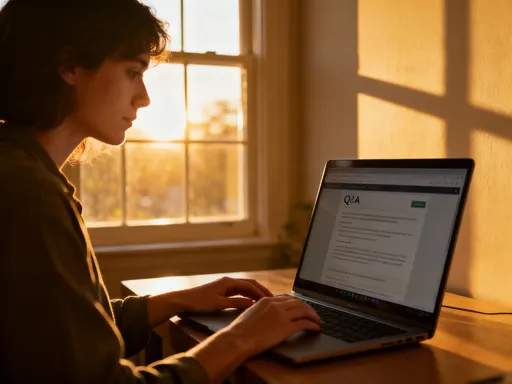
I remember the first week I started working from home full-time. I wore my comfiest sweater, sipped tea at my kitchen table, and thought, This is it. Freedom. No commute, no fluorescent lights, no awkward small talk by the coffee machine. I imagined more time with my kids, longer walks, maybe even a midday yoga session. But within a month, that dream had faded. My workday stretched from 7 a.m. to 10 p.m. My phone buzzed constantly. I was checking emails during dinner, joining last-minute calls from the laundry room, and feeling guilty when I wasn’t “on.” I wasn’t more productive—I was just always reachable.
What I didn’t realize then was that remote work had quietly turned into “always on” work. The boundaries between home and office had vanished, and with them, my sense of control. I’d assumed that working from home would naturally mean more balance, but instead, I felt more exhausted than ever. My kitchen table became my desk, my bedroom turned into a meeting room, and my mental space was cluttered with endless to-dos. I wasn’t just working remotely—I was living inside my job.
That wake-up call came one Sunday night. I was on a Zoom call with a colleague, my youngest daughter tugging at my sleeve, asking when I’d play with her. I looked at the clock—8:47 p.m.—and realized I hadn’t spent a single uninterrupted hour with my family all weekend. That moment hit me hard. I wasn’t building the life I wanted; I was surviving someone else’s idea of productivity. I knew something had to change—not just my schedule, but my entire approach to how I used technology. I didn’t need more tools. I needed better ones. Tools that respected my time, my focus, and my peace.
How Time Leaks Away Without You Noticing
Time doesn’t disappear in big chunks. It leaks. Slowly, quietly, in ways we barely notice until it’s too late. I used to think I was managing my day well—until I started tracking how I actually spent my time. What I discovered shocked me. I wasn’t spending eight hours working. I was spending two hours working, four hours reacting, and two hours trying to recover from the chaos.
Take a typical Tuesday morning. I’d start with good intentions—coffee in hand, to-do list ready. But within 20 minutes, I’d check my inbox and see 12 new messages. I’d respond to three, then get a Slack alert. I’d switch to that, then notice a calendar reminder for a meeting I’d forgotten. I’d open my video app, realize I wasn’t fully prepared, and spend 10 minutes scrambling. After the call, I’d feel mentally drained, so I’d “take a quick break” by scrolling through social media—only to look up 25 minutes later, wondering where the time went.
These small moments add up. A five-minute notification check here, a 15-minute meeting with no agenda there, a quick “I’ll just finish this one thing” that turns into an hour of distracted work. I began to see that my digital environment was working against me. Every app was competing for my attention, and none of them were designed to help me focus—they were designed to keep me engaged. The more I used them, the more fragmented my attention became.
What made it worse was the guilt. I’d look at my list at the end of the day and feel like I’d done nothing, even though I’d been “busy” the entire time. I wasn’t lazy. I was being sabotaged by a system that rewarded busyness over real progress. That’s when I realized: if I wanted to take back my time, I had to stop blaming myself and start rethinking the tools I used. Because the truth is, most productivity apps don’t actually help you get things done. They just make you feel like you are.
Choosing Tools That Protect Focus, Not Just Track Tasks
For years, I chased the latest productivity apps. I tried the ones with colorful dashboards, gamified checklists, and AI-powered suggestions. I thought if I just found the “perfect” app, I’d finally get organized. But the more tools I added, the more overwhelmed I felt. My screen was cluttered with icons, my notifications were endless, and my focus was thinner than ever.
The turning point came when I shifted my mindset. Instead of asking, What app can help me do more?, I started asking, What tool helps me do less—but better? I realized I didn’t need more features. I needed fewer distractions. I began looking for tools that were simple, intuitive, and designed to protect my attention, not steal it.
One of the first changes I made was switching to a calendar app with built-in focus modes. Instead of just showing my schedule, it lets me block time for deep work, mute notifications during those hours, and even suggest optimal times for meetings based on my energy levels. It doesn’t just track my time—it guards it. When that focus mode is on, my phone dims, my messages go to silent, and I’m reminded that this hour belongs to me.
I also started using a note-taking app with a clean, distraction-free interface. No flashy widgets, no sidebar ads, no constant updates. Just a blank page and my thoughts. It sounds simple, but that simplicity made a huge difference. I found myself writing more clearly, thinking more deeply, and finishing tasks faster because I wasn’t fighting against a cluttered screen.
And here’s something I didn’t expect: security features actually helped my focus. When I switched to a messaging app with end-to-end encryption, I stopped worrying about sensitive conversations being exposed. That peace of mind reduced my mental load. I wasn’t just protecting my data—I was protecting my calm. Knowing my tools were secure meant I could stop second-guessing every click, every file share, every video call. I could finally focus on the work, not the worry.
Security Isn’t Just Technical—It’s Emotional Peace
We often think of security as something technical—passwords, firewalls, software updates. But for me, it became something much more personal: emotional safety. I didn’t realize how much mental energy I was spending on low-level anxiety until I took steps to make my digital life more secure.
It started with small habits. I turned on two-factor authentication for all my work accounts. I started using a password manager so I wasn’t reusing the same password across sites. I enabled waiting rooms for my video calls so no one could drop in uninvited. These weren’t drastic changes, but they added up. And the biggest benefit? I stopped feeling on edge.
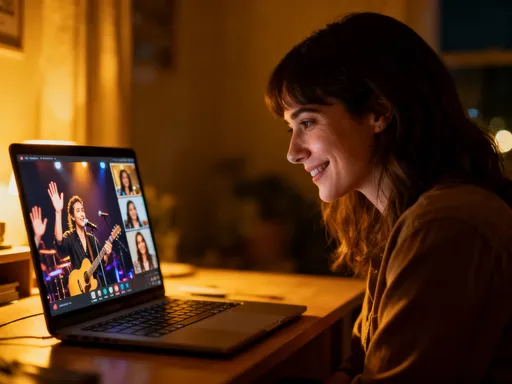
I used to dread joining a video call, worried someone might see something in the background or overhear a private conversation. I’d double-check my blinds, mute my mic constantly, and feel tense the whole time. But once I knew my calls were secure—encrypted, protected, controlled—I could relax. I could focus on the conversation, not the fear of a glitch or a breach.
Encrypted messaging made a big difference too. Before, I’d hesitate to send certain updates or documents over chat, worried they might be seen by the wrong person. Now, I can share what I need to without that nagging worry. It’s not just about protecting information—it’s about protecting trust. With my family, my team, myself.
And that trust translates into focus. When I’m not constantly scanning for risks, I can invest that energy into creativity, problem-solving, connection. Security isn’t just about avoiding danger. It’s about creating a space where you can breathe, think, and be present. For someone juggling work, family, and personal goals, that sense of safety is priceless.
Building a Routine That Works With My Life, Not Against It
Technology only works when it fits your life—not the other way around. I used to force myself to adapt to my tools, but now I make my tools adapt to me. I redesigned my day around my natural rhythms, not some idealized version of productivity.
I’m not a morning person, so I stopped pretending I was. Instead of forcing myself to answer emails at 6 a.m., I use a scheduling tool that holds my messages until 9 a.m. That way, I’m not adding to someone else’s “always on” culture, and I get to start my day on my terms. In the evenings, my work apps automatically silence after 7 p.m. unless I manually override them. It’s a small feature, but it’s been a game-changer. It creates a boundary that’s hard to ignore.
I also started blocking time for what matters most—family dinners, walks with my dog, reading before bed. I treat these like non-negotiable meetings. If something comes up, I reschedule work, not life. My calendar reflects that priority, and my tools support it. When a meeting request comes in during family time, the system suggests alternatives. It’s like having a quiet ally reminding me what’s important.
One of my proudest changes? Screen-free weekends. Every Saturday and Sunday, I turn off non-essential notifications and keep work apps closed. At first, it felt risky—what if something urgent came up? But nothing did. And what did happen was more meaningful: longer conversations, real rest, time to think without distraction. My kids noticed. My husband noticed. I noticed. I wasn’t just recharging—I was remembering who I am outside of my job.
The right tools made this possible. They didn’t demand my attention. They respected my boundaries. And in return, I became more present, more patient, more myself.
Small Changes, Real Gains: What Actually Improved
When I look back at the past year, the changes might seem small—one app switch, one new habit, one boundary at a time. But together, they’ve transformed my life in ways I never expected. I’ve gained back nearly 10 hours a week. Not by working faster, not by cutting corners, but by working with more clarity and less friction.
I used to work late almost every night. Now, I finish on time—most days by 6 p.m. My sleep has improved because I’m not lying in bed replaying work stress. My focus is sharper because I’m not constantly switching tasks. And my relationships are stronger because I’m actually there when I’m with people, not half-distracted by a buzzing phone.
One of the most meaningful shifts? I no longer feel guilty when I’m not working. That guilt used to follow me like a shadow—during playdates, during quiet moments, even during vacations. But now, when I’m with my family, I’m truly with them. I’m not mentally drafting emails or worrying about unread messages. I’ve learned to trust my systems, my boundaries, and myself.
My productivity hasn’t just increased—it’s become more sustainable. I’m not burning out to meet deadlines. I’m planning ahead, staying focused, and protecting my energy. And the best part? I feel in control. Not of every outcome, but of my time, my attention, my peace. That sense of agency has spilled over into other areas of my life. I’ve started a small side project I’ve been putting off for years. I’m reading more. I even joined a local book club.
These aren’t huge accomplishments, but they matter. They’re signs that I’m living a life that feels aligned, not overloaded. And it all started with choosing tools that served me—not the other way around.
Reclaiming More Than Time—Reclaiming Calm
This journey wasn’t about becoming a productivity expert or mastering the latest tech. It was about designing a work life that supports the person I want to be—not just at my desk, but at the dinner table, on walks with my kids, in quiet moments alone.
The best tools I’ve adopted didn’t just save me time. They gave me back my calm. They reduced the noise, the anxiety, the constant pressure to be “on.” They helped me create a digital environment that feels safe, simple, and human.
I’ve learned that technology doesn’t have to be overwhelming. It can be gentle. It can be kind. It can support your focus, protect your privacy, and respect your boundaries. You don’t have to accept burnout as the price of being productive. You don’t have to choose between success and sanity.
If you’re feeling stretched thin, constantly distracted, or just plain tired of the digital chaos, I want you to know: it’s not you. It’s the tools you’re using. And you have the power to change them. Start small. Ask yourself: Does this app make me feel calmer or more anxious? Does it protect my time or steal it? Does it help me show up as my best self?
Because at the end of the day, it’s not about how many emails you answer or how many meetings you join. It’s about how you feel when the workday ends. Are you drained? Or do you feel a quiet sense of accomplishment, ready to step into the rest of your life with energy and presence?
I’ve found that balance—not perfectly, not every day, but enough to know it’s possible. And if I can do it, so can you. It starts with one intentional choice. One tool. One boundary. And from there, the calm begins to grow.