Cut My Trash Duty Time by 70%: How Smart Bins Gave Me Back My Evenings
Living in a busy household, I used to dread the daily dance of overflowing bins, missed pickups, and that *one* lingering smell no air freshener could fix. It wasn’t just messy—it stole time and peace of mind. Then I tried smart trash bins, not for the tech hype, but for a simpler life. What surprised me wasn’t the gadgetry, but how much smoother everything felt. Let me share how upgrading something as ordinary as a trash can quietly transformed my routines—and gave me back hours every week.
The Hidden Time Drain No One Talks About
Let’s be honest—no one wakes up excited to take out the trash. But for years, I didn’t realize how much this small chore was actually costing me. It wasn’t just the ten minutes of carrying a heavy bag to the curb. It was the constant mental check-ins: Is it full yet? Did the kids remember to close the lid? Is that smell coming from the kitchen or the garage? I found myself pausing mid-conversation to sniff the air, or rushing to empty the bin before guests arrived. The stress wasn’t dramatic, but it was always there, like a low hum in the background of my day.
And it wasn’t just me. My daughter once left a banana peel in the sink instead of the compost bin because she didn’t want to touch the sticky lid. My husband would forget to take the trash out on collection night, leading to that familiar last-minute scramble on Wednesday morning. These little moments added up—wasted time, small arguments, and a home that never quite felt *in order*. I started counting how many times a week I dealt with trash in some way: checking levels, wiping spills, replacing liners, dragging bags out. The total? Over two hours. Every single week. That’s more than eight hours a month spent on something I didn’t even enjoy. And for what? To avoid a smelly kitchen? It felt ridiculous when I wrote it down.
What I didn’t expect was how much emotional energy this took. There’s a quiet shame in living with a messy corner, even if no one says anything. I’d feel embarrassed when friends opened the pantry and saw the overflowing bin behind the door. I wanted a cleaner, calmer home, but I didn’t have more time or energy to give. That’s when I started wondering—what if the problem wasn’t me? What if it was the trash can?
What Exactly Is a Smart Trash Bin? (And Why It’s Not Just a Gimmick)
When I first heard about smart bins, I’ll admit—I rolled my eyes. Another gadget to charge, clean, and eventually ignore? I imagined something overly complicated, with flashing lights and a voice that told me I’d thrown away too much coffee grounds. But the more I looked, the more I realized these weren’t just fancy trash cans. They were designed to solve real problems—like messy hands, bad smells, and overflow disasters.
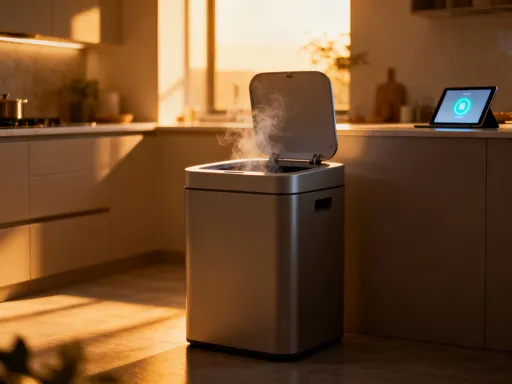
At its core, a smart trash bin is a regular can with built-in technology to make disposal easier and cleaner. Most have motion-sensor lids that open when you wave your hand. No more touching a dirty lid with greasy fingers after cooking dinner. Some models automatically compact the trash, so you don’t have to smash it down with a broom handle. Others have advanced odor control—like carbon filters or sealed systems—that actually work, not just mask the smell. And many connect to an app that sends a gentle alert when the bin is getting full, so you never get caught off guard on trash day.
The first time I used one at a friend’s house, I was hooked. I stood at the sink, hands full of wet coffee filters and vegetable peels, and just waved. The lid opened smoothly, dumped the waste, and closed quietly behind it. No juggling, no touching, no mess. I remember thinking, This is what convenience feels like. It wasn’t about impressing anyone—it was about removing friction from a daily task. And that’s the real value. These bins aren’t for tech lovers. They’re for busy parents, tired caregivers, anyone who wants their home to run a little smoother without extra effort.
What surprised me most was how quickly it became normal. My kids learned to wave instead of lift, and even my dog stopped barking at the sudden noise—because there wasn’t one. The quiet operation, the clean touch-free experience, the lack of fruit flies in the summer—these weren’t small wins. They were daily gifts of peace and simplicity.
How I Chose the Right One Without Falling for Hype
When I decided to get one, I almost made a big mistake. I found a model with voice control, Wi-Fi syncing, and a built-in scale that told you how much you’d thrown away. It was flashy, expensive, and promised to “revolutionize waste management.” But I stopped myself and asked: What do I actually need? I didn’t want to weigh my banana peels. I wanted a bin that stayed clean, didn’t smell, and didn’t need constant attention.
So I made a simple list: hands-free lid, good odor control, compact size for my kitchen corner, and easy-to-replace liners. I ignored the bells and whistles. I read reviews from real people—especially other parents—who talked about durability, battery life, and what happened when the sensor got dusty. I learned that some bins use rechargeable batteries, others take regular AAs. Some need special (and expensive) bags. I didn’t want surprises later.
I ended up choosing a mid-range model with a motion sensor, a built-in compactor, and a charcoal filter. It fits perfectly next to my pantry, and the liner system uses standard kitchen bags—no proprietary refills. The compactor means I only empty it every five days instead of every other day. And the best part? It runs on six AAs, which last about six months. Simple, reliable, and within my budget.
My advice? Don’t shop for features. Shop for solutions. Ask yourself: What part of trash duty do I hate most? Touching the lid? The smell? Forgetting trash day? Let that guide you. A smart bin should make life easier, not add more things to manage. And remember—it’s okay to start small. You don’t need the most advanced model to get real benefits.
The First Week: What Actually Changed
The first day I set it up, my daughter said, “Mom, it’s like magic!” She waved her hand, the lid opened, and she dropped in a juice box. No struggle, no spill. I felt a little silly, but I also smiled. This was already better.
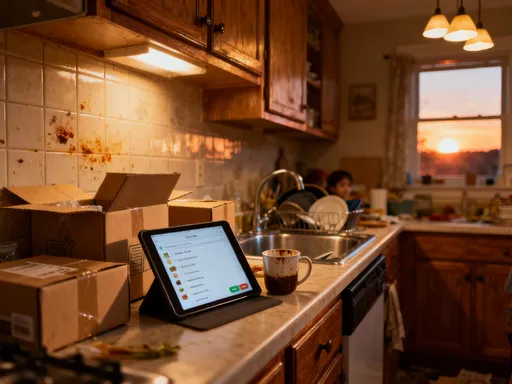
By day three, I noticed I wasn’t checking the bin as often. The compactor kept it neat, and the sealed lid trapped odors. I made dinner with one hand while using the other to open the bin—no more setting down a bowl to lift a lid. That small freedom felt huge. On day five, the app sent a gentle alert: “Trash level at 80%.” I scheduled a reminder to take it out that evening. No last-minute panic. No running outside in my slippers.
Then came the real test: a weekend with my sister and her two kids visiting. We cooked, baked, hosted a movie night with popcorn and snacks. The bin was working overtime. On Sunday morning, I expected chaos—overflow, spills, maybe a smell. But it was fine. The compactor had done its job, the filter kept the air fresh, and no one had touched the lid with messy hands. My sister said, “I didn’t even think about the trash once. How do you keep your kitchen so clean?”
That’s when it hit me: this wasn’t just about convenience. It was about dignity. About having a home that feels under control, even when life isn’t. I wasn’t spending mental energy on trash anymore. I was present—with my family, with my thoughts, with my evenings. That week, I got back at least five hours. Not because I worked faster, but because I didn’t have to deal with the mess, the stress, the little interruptions.
Small Tech, Big Ripple Effects
What I didn’t expect was how one change could influence so much else. With the bin handling the basics, I started paying more attention to how we sorted waste. I added a second smart bin for recycling—same hands-free ease, same clean operation. My kids began using it automatically, without reminders. We even started a small compost bin for food scraps, inspired by how much neater the whole system felt.
I noticed we were throwing away less, too. When the bin stays sealed and odor-free, you’re more aware of what you’re discarding. I started rethinking single-use items. Why use a plastic bag if I can compost the peel? The compactor made me more conscious of volume—seeing how much space things took, even when compressed. It wasn’t about perfection. It was about awareness.
The ripple didn’t stop there. I synced the trash alert with my calendar, so it reminded me on pickup day. That tiny habit made me think: What else can I automate? I set up recurring grocery lists, scheduled laundry reminders, even linked my water filter replacement to the same system. The smart bin became a gateway to a more organized home—not through willpower, but through gentle nudges from tools that worked with me, not against me.
And the emotional shift was real. I felt more in control. Not because I was doing more, but because I was doing less—and getting better results. That sense of calm spread to other areas. I stopped rushing through chores. I started enjoying my kitchen again. It wasn’t just cleaner. It felt like *mine*.
Making It Work for Your Household
If you’re thinking about trying a smart bin, here’s what helped me: First, place it where the sensor can see you. I moved mine a few inches forward from the wall, and suddenly it responded every time. Second, keep the sensor clean. A quick wipe with a dry cloth once a week prevents dust from blocking it. Third, teach your family the “wave, don’t touch” rule. I made it fun—my kids call it the “magic hand.” I say, “Show the bin your clean wave!” and they giggle while doing it.
For refills, I buy bags in bulk and keep them in a drawer nearby. Some bins need specific sizes, so check before you stock up. I also set a reminder to replace the carbon filter every three months—it’s easy to forget, but it makes a big difference in odor control. When we had a small jam once (a toy car got stuck inside), I didn’t panic. The manual was clear, and the company’s support team answered my email in two hours. Most issues are simple and fixable.
The key is patience. It takes a week or two for everyone to adjust. Don’t expect perfection. Celebrate the small wins: “Look, no one touched the lid today!” or “The bin didn’t overflow, even after pizza night!” I’ve found that keeping it light helps. This isn’t about being high-tech. It’s about being kind to yourself and your home.
And if someone forgets? No big deal. Just reset and keep going. The bin doesn’t judge. It just waits, ready to help again.
Why This Was Worth More Than I Expected
When I started this journey, I thought I was just solving a trash problem. But what I really found was a way to reclaim my time, my space, and my peace. The smart bin didn’t change my life in a dramatic way. It changed it in a thousand small ones—less stress, more ease, more moments where I could just *be*, instead of constantly managing, cleaning, fixing.
I used to think self-care meant long baths or weekend getaways. Now I see it differently. Self-care is choosing tools that respect your time and energy. It’s making your home a place of calm, not chaos. It’s giving yourself the gift of simplicity in a world that never slows down.
That extra hour in the evening? I use it to read, to talk with my daughter, to sit with a cup of tea and just breathe. I’m not rushing to wipe down a sticky bin or untangle a torn bag. I’m present. And that, more than anything, is what I wanted.
If you’re feeling overwhelmed by the little things—if the daily grind is wearing you down—know this: you don’t have to do more. You can choose tools that do more for you. Start small. Pick one thing that drains you. Find a smarter way. You might be surprised how much freedom comes from a single, thoughtful change. Your evenings—and your peace of mind—are worth it.