You Won’t Believe How Simple Staying Young Feels Now
Aging doesn’t have to mean slow declines, dull skin, or constant fatigue. I used to think getting older was just about accepting loss—until I discovered a few small, science-backed changes that made me feel noticeably more energetic and alive. This isn’t about chasing miracles; it’s about understanding how daily habits shape how we age. Let’s explore the real, simple health concepts that help you stay vibrant, naturally.
The Myth of Inevitable Aging
For decades, society has painted aging as an unavoidable downward spiral—loss of energy, fading memory, weakening strength. But modern science is rewriting that story. Researchers now understand that while time moves forward, how we age is not predetermined. Biological aging—the condition of our cells, organs, and systems—can be influenced significantly by lifestyle choices. Two people the same chronological age can have vastly different biological ages based on their daily habits. This shift in understanding transforms aging from a passive experience into one we can actively shape.
The belief that decline is inevitable often leads to resignation. Women in their 40s, 50s, and beyond may dismiss fatigue as “just part of getting older” or accept joint stiffness as a fixed reality. But these symptoms are not always signs of age—they can be signals of lifestyle imbalances. Chronic stress, poor sleep, sedentary routines, and unbalanced diets contribute more to how we feel than the number of years we’ve lived. Recognizing this empowers individuals to take meaningful action, not out of fear, but from a place of self-care and informed choice.
One of the most powerful mindset shifts is viewing aging not as loss, but as evolution. The body remains capable of renewal, repair, and resilience well into later life. Hormonal changes, such as those during perimenopause and menopause, are natural transitions, not defects. With the right support—nutritious food, consistent movement, emotional balance—the body can adapt gracefully. The goal isn’t to look 25 again, but to feel strong, clear-minded, and engaged in life at every stage.
Studies from institutions like the National Institute on Aging emphasize that up to 70% of how we age is influenced by modifiable factors. Genetics matter, but they are not destiny. Just as a well-maintained car can run smoothly for decades, a body cared for with intention can remain vibrant. This doesn’t require extreme measures—small, consistent habits create lasting impact. The journey to healthy aging begins not with a drastic overhaul, but with awareness and a willingness to make one small change at a time.
What Actually Drives Aging? (The Core Health Concepts)
Behind the visible signs of aging—wrinkles, slower recovery, reduced stamina—lie biological processes that scientists now understand in greater detail. Three key factors play major roles: oxidative stress, chronic inflammation, and declining cellular repair. These are not abstract concepts; they are physical realities shaped by everyday choices. Think of oxidative stress as “cellular rust”—a result of unstable molecules called free radicals damaging cells over time. This damage accumulates, especially when the body lacks sufficient antioxidants from food or rest.
Chronic inflammation is another silent driver. Unlike acute inflammation, which helps heal injuries, chronic low-grade inflammation persists and contributes to joint discomfort, brain fog, and fatigue. It’s often fueled by poor diet, lack of movement, and ongoing stress. Over time, this internal “wear and tear” affects organ function and accelerates biological aging. The good news is that lifestyle choices directly influence both oxidative stress and inflammation. Eating colorful vegetables, managing stress, and moving regularly help calm the body’s inflammatory response.
Cellular repair mechanisms, such as autophagy—the body’s way of cleaning out damaged cells—are most active during rest and fasting periods. When sleep is disrupted or meals are constant, this renewal process slows down. Similarly, muscle protein synthesis, which maintains strength, depends on both nutrition and physical activity. These systems don’t stop with age—they simply need the right conditions to function well. Supporting them isn’t about complex interventions, but about creating a daily environment where the body can thrive.
One way to visualize this is to think of the body as a finely tuned home. If you never change the air filters, fix leaks, or clean the gutters, the house deteriorates faster. The same applies internally. Daily habits either support maintenance or add to the burden. The beauty of this understanding is that it puts power back in personal hands. You don’t need a miracle to slow aging—you need consistent, thoughtful choices that honor your body’s natural rhythms and repair systems.
The Power of Daily Routines: Small Shifts, Big Impact
Long-term vitality isn’t built through dramatic transformations, but through the quiet consistency of daily routines. It’s not about perfection, but about showing up for yourself in small, sustainable ways. Research shows that habits repeated over time create measurable changes in biological markers—energy levels, skin elasticity, mental clarity—all influenced by seemingly minor choices. The key is not intensity, but regularity. A five-minute stretch every morning, a daily walk, or a consistent bedtime can, over months, reshape how you feel and function.
Consider hydration. Drinking enough water may seem simple, but it affects every system in the body. Dehydration contributes to fatigue, dry skin, and poor digestion. Yet many women unintentionally underhydrate, replacing water with coffee, tea, or sugary drinks. A small shift—starting the day with a glass of water, carrying a reusable bottle, or setting reminders—can restore balance. Similarly, mindful eating—chewing slowly, avoiding distractions during meals—improves digestion and helps the body absorb nutrients more effectively.
Movement is another cornerstone. You don’t need a gym membership or an hour-long workout. Taking the stairs, parking farther from store entrances, or doing gentle stretches while watching television all count. These micro-movements keep circulation strong, joints flexible, and muscles engaged. Over time, they prevent stiffness and support metabolic health. The goal is not to burn calories, but to stay connected to your body and keep it functioning optimally.
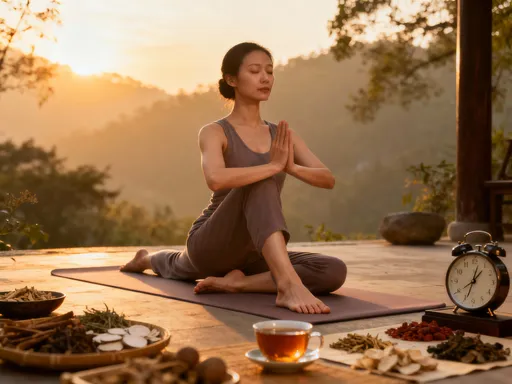
Even something as simple as a bedtime alarm can transform well-being. Many women sacrifice sleep to manage household tasks or unwind from the day. But consistently going to bed late disrupts circadian rhythms, affecting hormone balance and cellular repair. Setting a gentle reminder to begin winding down—even 20 minutes earlier—can improve sleep quality significantly. These small shifts don’t demand willpower; they require awareness and intention. And when practiced daily, they compound into profound, lasting benefits.
Food as Everyday Medicine (Without the Hype)
Nutrition is one of the most powerful tools for healthy aging, yet it’s often clouded by trends, restrictions, and confusion. The truth is, you don’t need expensive superfoods, detox teas, or elimination diets to support longevity. What matters most is the quality and consistency of everyday eating. Whole, minimally processed foods—vegetables, fruits, legumes, whole grains, nuts, seeds, and lean proteins—provide the nutrients your cells need to repair, protect, and renew.
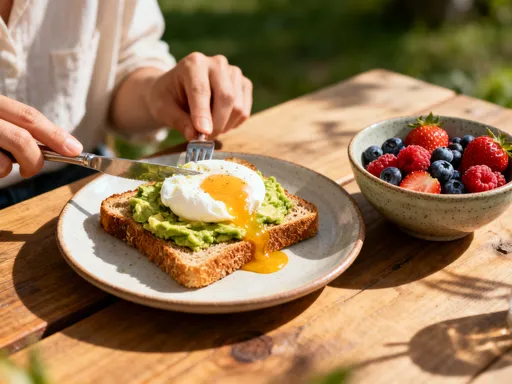
One of the simplest and most effective strategies is to fill half your plate with colorful plants at every meal. Different colors in fruits and vegetables represent different antioxidants—nutrients that combat oxidative stress. Deep greens like spinach and kale support liver function; reds like tomatoes and bell peppers offer lycopene; blues and purples like blueberries contain anthocyanins. Eating a variety ensures a broad spectrum of protective compounds. Fiber, abundant in plant foods, also supports gut health, which is increasingly linked to immune function, mood, and even skin health.
Healthy fats are another essential component. Omega-3 fatty acids, found in fatty fish, walnuts, flaxseeds, and chia seeds, help reduce inflammation and support brain health. Monounsaturated fats from olive oil, avocados, and nuts contribute to heart health and skin elasticity. These fats keep you full, balance blood sugar, and support hormone production—especially important during hormonal transitions. Choosing slow-digesting carbohydrates like oats, sweet potatoes, and quinoa helps maintain steady energy and prevents crashes.
Cooking at home more often is a practical way to take control of your nutrition. Restaurant meals and processed foods tend to be higher in sodium, added sugars, and unhealthy fats. Preparing meals allows you to choose fresh ingredients, control portions, and enjoy the process of nourishing yourself. It doesn’t have to be elaborate—simple, balanced meals made with care are more powerful than occasional gourmet dishes. Over time, these choices shape your biological age in a quiet but profound way, supporting energy, clarity, and resilience.
Movement That Loves You Back
Exercise should not feel like punishment. For many women, past experiences with intense workouts or weight-focused fitness have created a negative relationship with movement. But true longevity fitness is not about burning calories or achieving a certain look—it’s about maintaining strength, balance, and joy. The most effective forms of movement support independence, reduce injury risk, and boost mood. Strength training, walking, and flexibility exercises are not just beneficial—they are essential for aging well.
Strength training, in particular, is one of the most impactful habits for long-term health. After age 30, adults lose about 3–5% of muscle mass per decade, a process that accelerates after 50. This loss affects metabolism, posture, and mobility. But studies show that regular resistance training—even with light weights or bodyweight exercises—can slow, stop, or even reverse this decline. Simple routines like squats, wall push-ups, or resistance band exercises can be done at home and make a significant difference. Strong muscles support joint health, improve balance, and make daily tasks easier, from carrying groceries to playing with grandchildren.
Walking is another foundational practice. It’s low-impact, accessible, and deeply restorative. A daily 30-minute walk supports heart health, improves circulation, and enhances mental clarity. Walking in nature adds an extra benefit—reduced stress and improved mood. Unlike high-intensity workouts that can strain the body, walking is sustainable for decades. It can be social, meditative, or simply a way to enjoy fresh air. The key is consistency, not speed or distance.
Flexibility and mobility work are equally important. Stretching, yoga, or tai chi help maintain range of motion, reduce stiffness, and prevent falls. These practices also calm the nervous system, making them powerful tools for stress management. Just ten minutes a day can improve posture, ease tension, and support graceful movement. When movement feels good, it becomes something you look forward to, not something you force yourself through. That shift—from obligation to enjoyment—is what makes it last.
Rest, Recovery, and the Hidden Role of Sleep
Sleep is one of the most powerful anti-aging tools, yet it’s often the first thing sacrificed. Late-night scrolling, caregiving responsibilities, or stress can disrupt rest, leading to chronic sleep deprivation. But sleep is not a luxury—it’s a biological necessity. During deep sleep, the body repairs tissues, balances hormones, and clears waste from the brain. Growth hormone, essential for muscle maintenance and skin repair, is primarily released at night. Without quality rest, these processes slow down, accelerating signs of aging.
Poor sleep affects more than energy. It disrupts insulin sensitivity, increases cravings for sugary foods, and elevates cortisol, the stress hormone. Over time, this contributes to weight gain, fatigue, and mood imbalances. Women going through hormonal shifts may find sleep especially challenging due to night sweats or anxiety. But small, consistent changes can make a big difference. Creating a wind-down ritual—such as turning off screens an hour before bed, sipping herbal tea, or reading a book—signals to the body that it’s time to rest.
Keeping a consistent wake-up time, even on weekends, helps regulate the body’s internal clock. Exposure to morning light within 30 minutes of waking reinforces this rhythm, improving sleep quality over time. A cool, dark, quiet bedroom environment also supports deep rest. If racing thoughts are a barrier, journaling before bed or practicing gentle breathing exercises can quiet the mind. The goal is not to eliminate all stress, but to create conditions where rest can happen naturally.
Rest also includes moments of stillness during the day. Taking short breaks to breathe, stretch, or simply pause supports nervous system balance. Chronic busyness keeps the body in a state of low-grade stress, which wears down resilience over time. Intentional rest—whether a five-minute pause or a full night’s sleep—is not laziness. It is essential maintenance, as important as eating well or moving regularly. When rest is honored as a vital part of health, energy, clarity, and emotional balance follow.
Putting It All Together: A Lifestyle, Not a Fix
True vitality isn’t achieved through a single supplement, workout, or diet trend. It’s the result of a lifestyle built on small, consistent choices that support the body’s natural ability to thrive. Food, movement, sleep, and mindset don’t work in isolation—they function as a system. Eating well gives you energy to move; moving well improves sleep; sleeping well supports emotional balance; and emotional balance makes healthy choices easier. This synergy creates a positive feedback loop that enhances well-being over time.
The goal is not perfection, but progress. You don’t need to overhaul your life overnight. Start with one habit—drink more water, take a daily walk, go to bed 15 minutes earlier, or add more vegetables to one meal. Once that feels natural, add another. Small changes, practiced consistently, lead to lasting transformation. The most powerful anti-aging strategy is simply showing up for yourself, day after day, with kindness and intention.
Healthy aging is not about resisting time, but about living fully within it. It’s about having the energy to enjoy family, the strength to travel, the clarity to pursue passions, and the resilience to adapt to life’s changes. When you care for your body with daily attention, you’re not just adding years to life—you’re adding life to years. And that, more than any miracle, is the true secret to staying young.