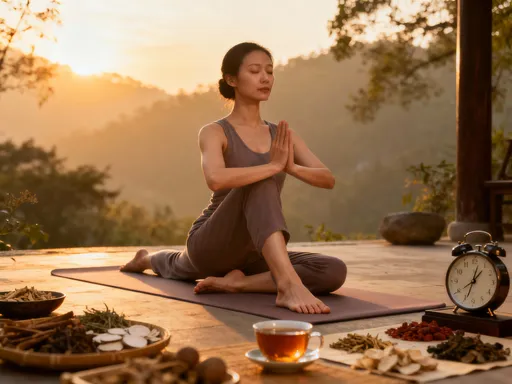
This Is How I Finally Learned to Breathe Through the Chaos
Stress isn’t just mental—it shows up in your body, sleep, and daily choices. As women, we often put ourselves last while juggling roles at work, home, and beyond. I used to feel constantly drained—until I discovered small, science-backed shifts that changed everything. It wasn’t about grand gestures, but consistent, real practices that fit into messy, real life. This is what actually helped me reclaim calm. What I learned wasn’t a secret whispered in wellness circles, but a series of grounded, accessible changes supported by research and real experience. Over time, these shifts didn’t just reduce my stress—they transformed how I move through each day with greater clarity, resilience, and peace.
The Hidden Weight of Chronic Stress in Women
Chronic stress is not a badge of honor, yet many women wear it as if it were. The truth is, stress affects women differently than men—not because of weakness, but because of biology, societal roles, and the invisible labor so many carry. From managing household responsibilities to supporting aging parents and advancing careers, women often navigate multiple roles without pause. This constant balancing act triggers prolonged activation of the body’s stress response, leading to elevated cortisol levels that, over time, compromise both physical and emotional health. The burden isn’t just psychological; it settles into the body, influencing digestion, weakening immunity, and disrupting hormonal balance.
Hormonal fluctuations throughout the menstrual cycle, pregnancy, or perimenopause can heighten sensitivity to stress. Estrogen and progesterone play roles in regulating mood and the stress response, which means shifts in these hormones can make women more vulnerable during certain phases of life. When combined with external pressures—tight deadlines, financial concerns, or caregiving demands—the nervous system can remain in a near-constant state of alert. This sustained activation interferes with the body’s ability to rest, repair, and rebalance, creating a cycle that’s difficult to break without intentional intervention.
Yet many of the signs of chronic stress go unnoticed or are dismissed as normal parts of life. Persistent fatigue, even after a full night’s sleep, is often chalked up to being “busy.” Irritability may be seen as a personality trait rather than a signal of emotional overload. Brain fog—difficulty concentrating or remembering details—can be mistaken for aging or lack of effort. Disrupted sleep patterns, such as trouble falling or staying asleep, are common but rarely connected to underlying stress. These symptoms are not inconveniences to power through; they are messages from the body asking for attention and care.
Ignoring these signals can lead to more serious health consequences over time. Long-term stress has been linked to increased risks of cardiovascular issues, digestive disorders like irritable bowel syndrome, and weakened immune function that makes the body more susceptible to illness. Emotionally, unmanaged stress can erode self-esteem, strain relationships, and contribute to anxiety or depression. Recognizing these patterns is the first step toward change. It’s not about eliminating stress entirely—life will always have demands—but about learning how to respond in ways that protect well-being rather than deplete it.
Why Quick Fixes Don’t Work—And What Does
When stress hits, it’s tempting to reach for quick solutions—lighting a scented candle, scrolling through social media, or treating yourself to a spa day. While these activities can feel comforting in the moment, they often serve as temporary escapes rather than lasting remedies. The relief they offer is fleeting because they don’t address the root causes of stress. Like placing a bandage on a wound that needs stitches, they may soothe the surface but leave the deeper issue unhealed. True stress resilience comes not from occasional indulgences, but from consistent, integrated practices that support the nervous system day after day.
The idea that stress management requires large blocks of time or special conditions is another myth that prevents meaningful change. Many women believe they need an hour-long yoga session or a silent retreat to make progress, but the reality is that small, repeated actions have a far greater impact. Research shows that micro-practices—short, intentional moments of regulation—can significantly lower cortisol levels and improve emotional stability when done regularly. The key is consistency, not duration. A two-minute breathing exercise done daily is more effective than a one-hour meditation practiced once a month.
Sustainable stress management also requires a shift in mindset—from seeing self-care as a luxury to recognizing it as a necessity. Just as you wouldn’t expect a car to run without regular maintenance, the body and mind need ongoing care to function well. This means integrating supportive habits into daily routines, not waiting until exhaustion sets in. It means prioritizing practices that regulate the nervous system, such as breathwork, movement, and rest, rather than relying on distractions that only mask discomfort.
What works is a personalized, layered approach. Instead of searching for a single solution, consider building a toolkit of strategies that address different aspects of stress. Some days may call for physical release through movement, while others require mental quiet through mindfulness. The goal is not perfection but presence—showing up for yourself in small, meaningful ways. When these practices become part of the rhythm of daily life, they create a foundation of resilience that allows you to meet challenges with greater ease and clarity.
Breath as Your First Line of Defense
Among the most powerful and accessible tools for managing stress is something you do thousands of times a day without thinking: breathing. But the way most people breathe—shallowly, from the chest—can actually amplify stress. In contrast, diaphragmatic breathing, also known as belly breathing, activates the parasympathetic nervous system, the body’s natural calming mechanism. This shift signals the brain that it’s safe to relax, slowing the heart rate, lowering blood pressure, and reducing cortisol production. Unlike medications or therapies that require appointments or prescriptions, breath is always available, free, and immediate.
One evidence-based technique that has helped countless individuals is the 4-7-8 method. Developed by Dr. Andrew Weil, this practice involves inhaling quietly through the nose for a count of four, holding the breath for seven counts, and exhaling slowly through the mouth for eight counts. Repeating this cycle four to eight times can produce noticeable calm within minutes. Another effective approach is box breathing—inhaling for four, holding for four, exhaling for four, and holding again for four—which is used by military personnel and athletes to maintain focus under pressure. Both techniques work by extending the exhale, which directly stimulates the vagus nerve, a key player in calming the nervous system.
The beauty of breathwork lies in its simplicity and adaptability. You can practice it while waiting in line, sitting in your car before entering the house, or lying in bed at night. It doesn’t require special clothing, equipment, or privacy. Even during a tense conversation or a chaotic moment with children, a few conscious breaths can create space between stimulus and response, allowing for more thoughtful reactions. Over time, regular practice strengthens the body’s ability to return to balance, making it easier to stay composed under pressure.
What makes breath especially valuable for women is that it can be tailored to different phases of life and energy levels. During menstruation or perimenopause, when hormonal shifts may increase anxiety or mood swings, gentle breathing exercises can provide grounding without exertion. Unlike intense workouts that may feel overwhelming on low-energy days, breathwork meets you where you are. With consistent use, it becomes a reliable anchor—a way to return to center no matter how turbulent the outside world feels.
Movement That Supports, Not Punishes
In a culture that often equates fitness with intensity, many women associate movement with grueling workouts, strict regimens, or goals centered on appearance. But when it comes to stress management, the most beneficial forms of movement are often the gentlest. Restorative activities like walking, stretching, or gentle yoga do more than improve physical health—they play a crucial role in regulating the nervous system. Unlike high-intensity exercise, which can temporarily elevate stress hormones, low-impact movement helps the body transition out of fight-or-flight mode and into a state of calm alertness.
Walking, especially in nature, has been shown to reduce rumination—the repetitive, negative thinking that often accompanies stress. A 20-minute walk around the block or through a park can shift mental patterns, improve mood, and enhance creativity. The rhythmic motion, fresh air, and sensory input from the environment work together to ground the mind and release tension stored in the body. Even indoor stretching, done slowly and with awareness, can release muscular tightness linked to emotional stress. Forward folds, gentle twists, and shoulder rolls are simple yet effective ways to reconnect with the body and invite relaxation.
Yoga, particularly styles that emphasize breath and mindfulness like Hatha or Restorative yoga, offers additional benefits. Studies have found that regular yoga practice can lower cortisol levels, improve sleep quality, and reduce symptoms of anxiety and depression. The combination of movement, breath, and present-moment awareness creates a meditative effect that soothes the nervous system. You don’t need to master complex poses or attend expensive classes—five to ten minutes of gentle stretching at home can be just as effective when done consistently.
The challenge for many women isn’t a lack of motivation, but a lack of time and energy. The good news is that movement for stress relief doesn’t require a gym membership or a 6 a.m. alarm. It can be woven into daily life: taking the stairs instead of the elevator, doing calf raises while brushing your teeth, or pausing for a shoulder stretch during work breaks. The goal isn’t to burn calories, but to move with intention and care. When movement becomes a form of self-respect rather than punishment, it transforms from a chore into a nourishing ritual that supports long-term well-being.
Rewriting Your Relationship with Rest
Rest is often misunderstood as simply the absence of activity, but true rest is an active practice of renewal. For women who are accustomed to being “on” from morning until night, rest can feel uncomfortable, even guilty. Yet without adequate rest, the body and mind cannot recover from daily stressors, leading to burnout, irritability, and diminished cognitive function. Redefining rest means expanding it beyond sleep to include mental pauses, emotional downtime, and disconnection from digital stimuli. It’s about creating space to simply be, without producing, achieving, or responding.
One of the greatest barriers to rest in modern life is constant connectivity. Smartphones, emails, and social media create a sense of urgency that makes it difficult to fully unwind. The brain remains in a state of low-grade alert, scanning for notifications and updates. A digital detox—even for 30 minutes before bed—can significantly improve sleep quality and mental clarity. Setting boundaries with technology, such as turning off non-essential notifications or designating tech-free zones in the home, sends a powerful message to the nervous system: it’s safe to relax.
Emotional rest is equally important. This means allowing yourself to feel without fixing, to pause without planning, and to exist without performing. Journaling, sitting quietly with a cup of tea, or engaging in a creative hobby like knitting or drawing can provide this kind of mental respite. These activities aren’t about productivity; they’re about presence. When you give yourself permission to rest in this way, you cultivate resilience—the ability to handle life’s demands without becoming overwhelmed.
Quality rest also enhances decision-making and emotional regulation. A well-rested mind is better equipped to respond thoughtfully rather than react impulsively. It can see solutions more clearly and maintain perspective during challenges. By prioritizing rest as a non-negotiable part of daily life, women reclaim not just energy, but agency over their time and attention. Rest is not laziness; it is a vital act of self-preservation that enables sustained strength and clarity in the face of life’s inevitable pressures.
The Power of Routine Anchors
In the midst of unpredictable schedules and endless to-do lists, routine may seem like an outdated concept. But small, consistent habits serve as anchors that stabilize the nervous system and create a sense of safety. The human brain thrives on predictability; when certain actions happen at regular times, it reduces the cognitive load of decision-making and frees up mental energy. Morning and evening routines, in particular, offer powerful opportunities to set the tone for the day and wind down with intention.
A simple morning mindfulness practice—such as sitting quietly for five minutes, sipping tea while watching the sunrise, or setting an intention for the day—can ground you before the demands of life begin. These moments don’t have to be long or elaborate. What matters is consistency. Over time, the brain begins to associate these rituals with calm, making it easier to access that state even during stressful moments. Similarly, an evening routine that includes dimming the lights, journaling, or reading a book signals to the body that it’s time to shift into rest mode.
Consistent sleep and wake times, even on weekends, help regulate the body’s internal clock, improving sleep quality and energy levels. When sleep is stable, the entire system functions more efficiently. Other anchors might include a midday walk, a daily gratitude practice, or a five-minute breathing exercise before dinner. These small acts accumulate, creating a framework of stability that buffers against chaos.
Routine is not about rigidity, but about rhythm. It’s about creating gentle structure that supports well-being without adding pressure. When life feels overwhelming, returning to a familiar habit can provide immediate comfort. These anchors don’t eliminate stress, but they offer reliable points of return—ways to recenter and regain equilibrium. In this way, routine becomes not a constraint, but a source of freedom and resilience.
When to Seek Support—and Why It’s Strength
There is a quiet strength in knowing when to ask for help. While self-care practices are essential, they are not a substitute for professional support when stress becomes unmanageable. Many women push through exhaustion, believing they should be able to handle everything on their own. But burnout, anxiety disorders, and chronic fatigue are not signs of personal failure—they are indicators that the body and mind need additional care. Recognizing the difference between everyday stress and clinical conditions is a crucial step toward healing.
Burnout is characterized by emotional exhaustion, cynicism, and a sense of reduced accomplishment. It often develops gradually, making it difficult to notice until it significantly impacts daily functioning. Anxiety disorders go beyond occasional worry; they involve persistent, excessive fear that interferes with relationships, work, or health. When stress disrupts sleep, appetite, concentration, or joy in life, it’s time to consult a healthcare provider. A doctor, therapist, or counselor can offer assessments, tools, and treatments tailored to individual needs.
Seeking support is not weakness—it is an act of courage and self-respect. Just as you would see a doctor for a physical injury, mental and emotional health deserve the same attention. Therapy, medication when appropriate, and lifestyle adjustments can work together to restore balance. Support groups, whether in person or online, also provide connection and validation, reminding women that they are not alone in their struggles.
Self-care is not a solo journey. It includes knowing when to reach out, when to say no, and when to accept help. Building a support system—whether through professionals, trusted friends, or community resources—strengthens resilience and fosters long-term well-being. True strength lies not in enduring silently, but in honoring your limits and taking action to protect your health.
True stress release isn’t about eliminating pressure—it’s about building inner capacity to move through it with grace. These practices aren’t quick hacks, but lifelong tools that honor the complexity of women’s health. By integrating breath, movement, rest, and support, we don’t just survive the chaos—we learn to breathe through it. The journey isn’t about achieving constant calm, but about developing the ability to return to center, again and again. Each small choice—to pause, to breathe, to rest—adds up to a life lived with greater presence and peace. And that is not just survival. It is transformation.