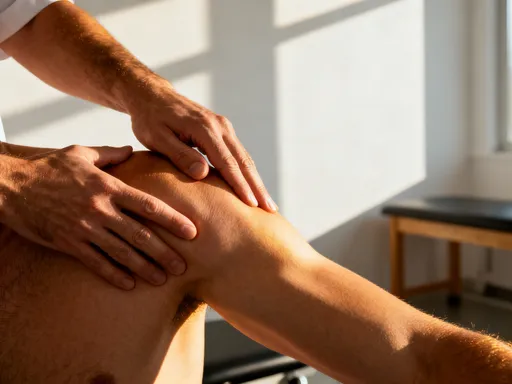
Why Massage Therapy Changed My Rehab Game — Real Talk from the Recovery Grind
Rehabilitation isn’t just about healing—it’s about reclaiming movement, strength, and confidence. After an injury, I hit a wall in my recovery until I added massage therapy into my routine. It wasn’t magic, but it was powerful. This is a real, no-fluff look at how targeted bodywork became a game-changer in my rehab training—blending science, persistence, and self-awareness. The turning point wasn’t dramatic: no sudden surge of strength, no miraculous return to form. Instead, it was subtle—a loosening in my shoulder that let me lift my arm higher, a release in my lower back that made standing straight feel possible again. That shift opened a door I thought was locked. Always consult a licensed professional before starting any treatment.
The Rehab Wall: When Progress Stalls
Many people begin rehabilitation with high hopes and a strong commitment to recovery. They follow prescribed exercises, attend therapy sessions, and diligently stretch at home. Yet, after a few weeks, progress often slows—or stops altogether. This plateau is a common but deeply frustrating experience. Movements that once improved daily now feel stuck. Muscles remain tight despite consistent effort. Range of motion barely increases, and pain, though not worsening, refuses to fully subside. This is the rehab wall: a point where effort no longer equals advancement.
The emotional toll of this stagnation can be just as challenging as the physical limitations. Motivation dips. Doubt creeps in. Questions arise: Am I doing enough? Am I doing it right? Is this as good as it gets? For many, this mental fatigue becomes a barrier in itself. The initial determination that fueled early progress begins to wane, replaced by a quiet resignation. The routine feels mechanical, even pointless. The body seems unwilling to cooperate, no matter how hard one tries.
The truth is, traditional rehab exercises—while essential—are sometimes insufficient on their own. Strengthening and stretching are critical, but they don’t always address deeper issues like fascial restrictions, muscle imbalances, or neurological tension patterns. These underlying factors can silently limit recovery, even when someone is doing everything “by the book.” The body isn’t a machine with interchangeable parts; it’s a complex, interconnected system. When one area is restricted, others compensate, creating a cycle of strain and imbalance that exercises alone may not resolve.
This is the moment when many people begin to ask: What am I missing? That question, though born of frustration, is often the first step toward breakthrough. It signals a shift from passive repetition to active inquiry. Instead of just pushing harder, the focus turns to understanding the body’s signals and exploring complementary approaches. For some, that exploration leads to acupuncture. For others, it’s dry needling or specialized movement therapy. In my case, it was massage therapy—not the kind meant for relaxation, but a focused, clinical form designed to support physical recovery.
What Exactly Is Massage Therapy in Rehab?
When most people hear “massage therapy,” they picture a spa setting: dim lighting, soothing music, and gentle strokes meant to melt away stress. While that version has its benefits, it’s not the same as the clinical massage used in rehabilitation. Rehab-focused massage is a form of medical bodywork. It’s goal-oriented, precise, and deeply integrated with the principles of physical therapy. The aim isn’t just relaxation—it’s functional restoration.
Therapists trained in rehabilitative massage use a range of evidence-based techniques tailored to the individual’s condition. One of the most common is myofascial release, which targets the connective tissue surrounding muscles. After an injury, fascia can become tight, restricted, or adhered, limiting movement and contributing to pain. By applying sustained pressure to these areas, therapists help restore the tissue’s natural elasticity. This isn’t a gentle touch; it’s deliberate and often intense, but always within a therapeutic range.
Deep tissue massage is another key method, though it’s often misunderstood. It doesn’t mean “harder” in a painful way—it means reaching deeper layers of muscle and connective tissue. This technique is particularly useful for addressing chronic tension, scar tissue formation, or areas that have been overused or underused due to compensation patterns. A skilled therapist doesn’t just press deeply; they assess muscle tone, identify trigger points, and adjust pressure based on real-time feedback from the body.
Neuromuscular re-education is a more advanced approach that focuses on the communication between nerves and muscles. After an injury, the brain may “forget” how to properly activate certain muscles, leading to weakness or improper movement patterns. Through specific touch and movement cues, therapists can help retrain these neural pathways. This isn’t just about feeling better in the moment—it’s about reprogramming the body’s motor control for long-term improvement.
What sets clinical massage apart is the assessment process. A qualified therapist doesn’t start with hands on the body. They begin with questions: What’s the diagnosis? Where is the pain? What movements are difficult? They observe posture, test range of motion, and may even collaborate with physical therapists to align their work with the overall rehab plan. Every session is customized, with clear objectives and measurable outcomes. This level of precision transforms massage from a wellness indulgence into a strategic recovery tool.
Why It Works: The Science Behind the Hands
The effectiveness of massage therapy in rehabilitation isn’t based on anecdote alone—it’s supported by growing scientific evidence. While the experience of hands-on treatment feels personal and intuitive, the mechanisms at work are physiological and measurable. Understanding these processes helps demystify why massage can be such a powerful complement to traditional rehab.
One of the most well-documented effects is improved circulation. When a therapist applies pressure to muscle tissue, blood flow increases in the targeted area. This brings more oxygen and nutrients to damaged tissues, supporting cellular repair and reducing inflammation. At the same time, enhanced circulation helps flush out metabolic waste products like lactic acid, which can accumulate after injury or overuse and contribute to soreness and stiffness.
Research has also shown that massage can modulate the body’s inflammatory response. After an injury, inflammation is a necessary part of healing, but chronic or excessive inflammation can delay recovery. Studies indicate that massage therapy can reduce levels of pro-inflammatory cytokines while increasing anti-inflammatory markers. This balanced response helps create an optimal environment for tissue regeneration without suppressing the body’s natural healing processes.
Another critical factor is the nervous system. Pain and tension aren’t just physical—they’re neurological. When an area is injured, the nervous system often becomes hypersensitive, amplifying pain signals even after the initial damage has healed. This is known as central sensitization, and it can make recovery feel like an uphill battle. Massage therapy has been shown to calm the sympathetic nervous system—the “fight or flight” response—by reducing cortisol levels and increasing the release of endorphins and serotonin. This shift doesn’t erase pain, but it can lower the body’s overall pain threshold, making movement feel safer and more manageable.
Additionally, massage influences muscle tone and neuromuscular function. Tight muscles aren’t just stiff—they’re often in a state of constant low-level contraction due to neurological feedback loops. By applying sustained pressure and movement, therapists can help reset muscle spindle activity, leading to improved flexibility and reduced guarding. This is particularly valuable in rehab, where tightness in one area can prevent proper activation of opposing muscles, creating imbalances that hinder progress.
It’s important to note that these benefits are not immediate or permanent. Like exercise, massage therapy requires consistency. The changes it induces—better circulation, reduced inflammation, improved nervous system regulation—are cumulative. Over time, these small shifts add up, creating a foundation for more effective rehab. The science doesn’t promise miracles, but it does support the idea that massage is more than just a feel-good treatment—it’s a biologically active intervention.
Integrating Massage Into Active Rehab Training
Massage therapy is most effective when it’s not treated as a standalone solution, but as a strategic component of a comprehensive rehab program. Think of it as a catalyst—a way to prime the body for more productive exercise and movement training. When timed and sequenced correctly, massage can enhance the outcomes of strength, flexibility, and functional drills.
For example, receiving a session focused on myofascial release before a strength training session can make a noticeable difference. Tight, restricted tissue often limits how well a muscle can contract. By releasing those restrictions beforehand, the muscle is better able to engage during exercise. This leads to more efficient movement, improved muscle activation, and reduced risk of compensation patterns. In practical terms, that might mean being able to perform a squat with better form, or finally feeling the targeted muscle working during a rehab exercise that previously felt “dead.”
A well-structured weekly plan might include two or three key elements: mobility work, hands-on therapy, and active training. A sample week could look like this: Monday begins with gentle mobility and activation exercises, followed by a massage session focused on areas of restriction. Tuesday shifts to strength and stability work, building on the improved range of motion from the day before. Wednesday might include low-impact cardiovascular activity and self-myofascial release using tools like foam rollers. Thursday brings another targeted massage session, this time possibly emphasizing neuromuscular re-education. Friday is dedicated to functional movement patterns, such as step-ups, lunges, or sport-specific drills. Weekends allow for rest and recovery, with attention to hydration, nutrition, and sleep.
The timing between massage and exercise matters. Some people benefit from receiving bodywork immediately before training, as the tissue is most pliable and responsive. Others find it more effective to schedule massage on a rest day, allowing the body time to integrate the changes before the next workout. There’s no one-size-fits-all approach, but the principle remains: massage should support, not replace, active rehabilitation.
Real-world examples illustrate this integration. A woman recovering from a rotator cuff injury might struggle to lift her arm above shoulder height. Her physical therapist prescribes range-of-motion exercises, but progress is slow. After adding weekly clinical massage focused on the shoulder girdle and upper back, she notices a sudden improvement in mobility. The therapist has released fascial restrictions in the pectoralis minor and subscapularis, muscles that were subtly limiting movement. With that barrier reduced, her exercises become more effective, and her strength gains accelerate.
Another example: a middle-aged man rehabbing from a lower back strain finds that his core exercises don’t feel right. He’s doing them correctly, but the targeted muscles aren’t engaging. A neuromuscular therapist identifies inhibition in his transverse abdominis and uses specific techniques to re-activate the neural connection. After a few sessions, he finally feels the muscle firing during planks and bird-dogs. This isn’t about strength—it’s about re-establishing communication between brain and body.
Finding the Right Practitioner: Skills That Matter
Not every massage therapist is equipped to support rehabilitation. While all licensed professionals receive training in anatomy and technique, those who work with rehab patients need additional expertise. Choosing the right practitioner is critical to ensuring safe, effective care.
Look for someone with certification in therapeutic or clinical massage, preferably with experience in orthopedic or medical settings. Credentials such as Certified Massage Therapist (CMT), Licensed Massage Therapist (LMT), or specialized training in myofascial release or neuromuscular therapy are strong indicators of competence. Some therapists also hold degrees in physical therapy or kinesiology, which can enhance their understanding of movement and injury.
Equally important is communication. A skilled rehab therapist will take time to understand your medical history, current diagnosis, and rehab goals. They’ll ask about pain levels, movement limitations, and any treatments you’re receiving from other providers. They should be willing to coordinate with your physical therapist or doctor, especially if your case is complex. This collaborative approach ensures that bodywork supports, rather than conflicts with, your overall recovery plan.
During the session, a good therapist checks in regularly, adjusting pressure based on your feedback. They explain what they’re doing and why, helping you understand the process. They respect your pain threshold and never push into sharp or unbearable discomfort. Their focus is on function, not just sensation. If a therapist dismisses your concerns, pressures you to increase intensity, or makes sweeping promises like “you’ll be pain-free in three sessions,” those are red flags.
Cost and frequency are practical considerations. Clinical massage may not be covered by insurance, though some plans do reimburse for medically necessary bodywork. Sessions typically last 45 to 60 minutes and may be recommended weekly or biweekly, depending on the stage of recovery. While it’s an investment, the long-term benefits—faster progress, fewer setbacks, improved quality of movement—can make it worthwhile.
What It Feels Like: A Session Unpacked
For those new to clinical massage, the experience can feel unfamiliar or even intimidating. Unlike a spa massage, there’s less emphasis on comfort and more on therapeutic outcome. But understanding what to expect can ease anxiety and help you get the most from each session.
It begins with an intake conversation. The therapist reviews your medical history, asks about your injury, and discusses your rehab goals. They may observe your posture, test your range of motion, or have you perform simple movements to assess dysfunction. This assessment guides the treatment plan and ensures the session is tailored to your needs.
Once on the table, positioning is key. You’ll be draped for privacy, with only the area being worked on exposed. The therapist uses lotion or oil to reduce friction, but the strokes are not gliding or rhythmic like in relaxation massage. Instead, they’re focused, deliberate, and often slow. Pressure varies—light at first, then gradually increasing as the tissue warms and releases. You might feel a deep ache, a stretching sensation, or even a twitch as a trigger point releases. These sensations are normal, but sharp or radiating pain is not. A skilled therapist stays within a therapeutic window, where discomfort is present but manageable.
The therapist may pause to ask you to contract or relax a muscle, or to move a limb in a specific way. These active techniques enhance the effectiveness of the treatment by engaging the nervous system. After the hands-on work, you may feel a mix of sensations: some areas feel looser, others slightly sore. Movement might feel easier, or you might notice a new awareness of your body. These are signs that the session is working.
Post-session, hydration is important. Drinking water helps flush out metabolic byproducts released during tissue manipulation. Some people feel energized; others feel tired, as the body processes the changes. Mild soreness for 24 to 48 hours is common, especially after deep work. This is similar to the soreness after a tough workout and usually resolves with rest and light movement.
Beyond the Table: Long-Term Gains and Mindset Shifts
The benefits of massage therapy extend far beyond the treatment room. With consistent sessions, many people report not just physical improvements, but lasting changes in how they relate to their bodies. They develop greater body awareness—learning to recognize tension before it becomes pain, or noticing subtle shifts in posture and movement. This heightened sensitivity supports better self-care and more informed decision-making in daily life.
Another long-term gain is reduced frequency of flare-ups. By addressing restrictions and imbalances early, clinical massage helps prevent minor issues from becoming major setbacks. This is especially valuable for people managing chronic conditions or recovering from recurrent injuries. Over time, the body becomes more resilient, adapting to stress with less strain.
Perhaps the most significant shift is in mindset. Recovery is rarely linear. There are good days and bad days, progress and plateaus. But when massage becomes part of the routine, it reinforces the idea that healing is possible—and that support is available. It fosters trust in the process and in one’s own body. This psychological benefit is hard to measure but deeply felt. It replaces frustration with patience, resignation with hope.
Still, it’s essential to maintain perspective. Massage is one tool in a larger toolkit. It doesn’t replace exercise, proper nutrition, or medical care. It doesn’t offer instant cures or guaranteed outcomes. But when used wisely, it can accelerate progress, reduce suffering, and restore a sense of agency. Recovery isn’t about perfection—it’s about persistence, self-awareness, and the willingness to seek help when needed. With the right support, the path forward becomes clearer, one session at a time.